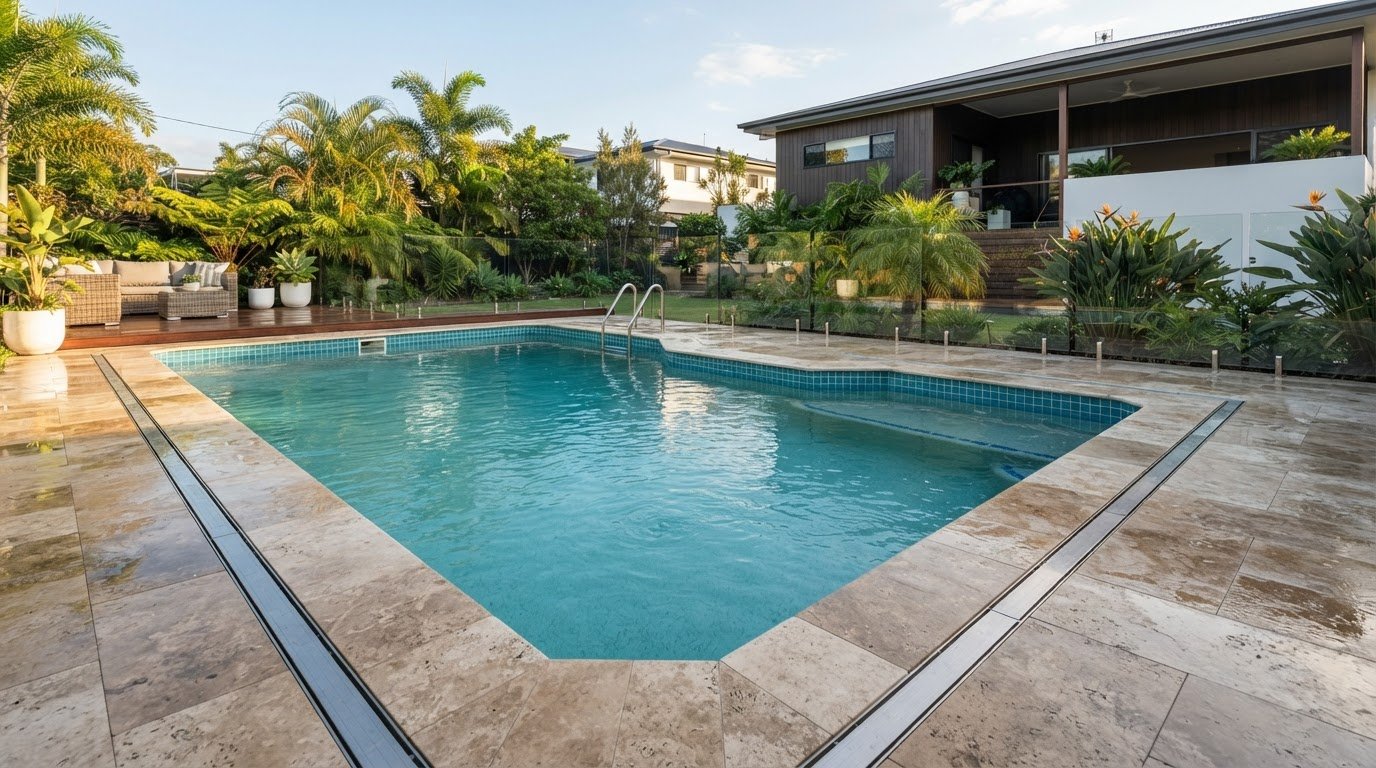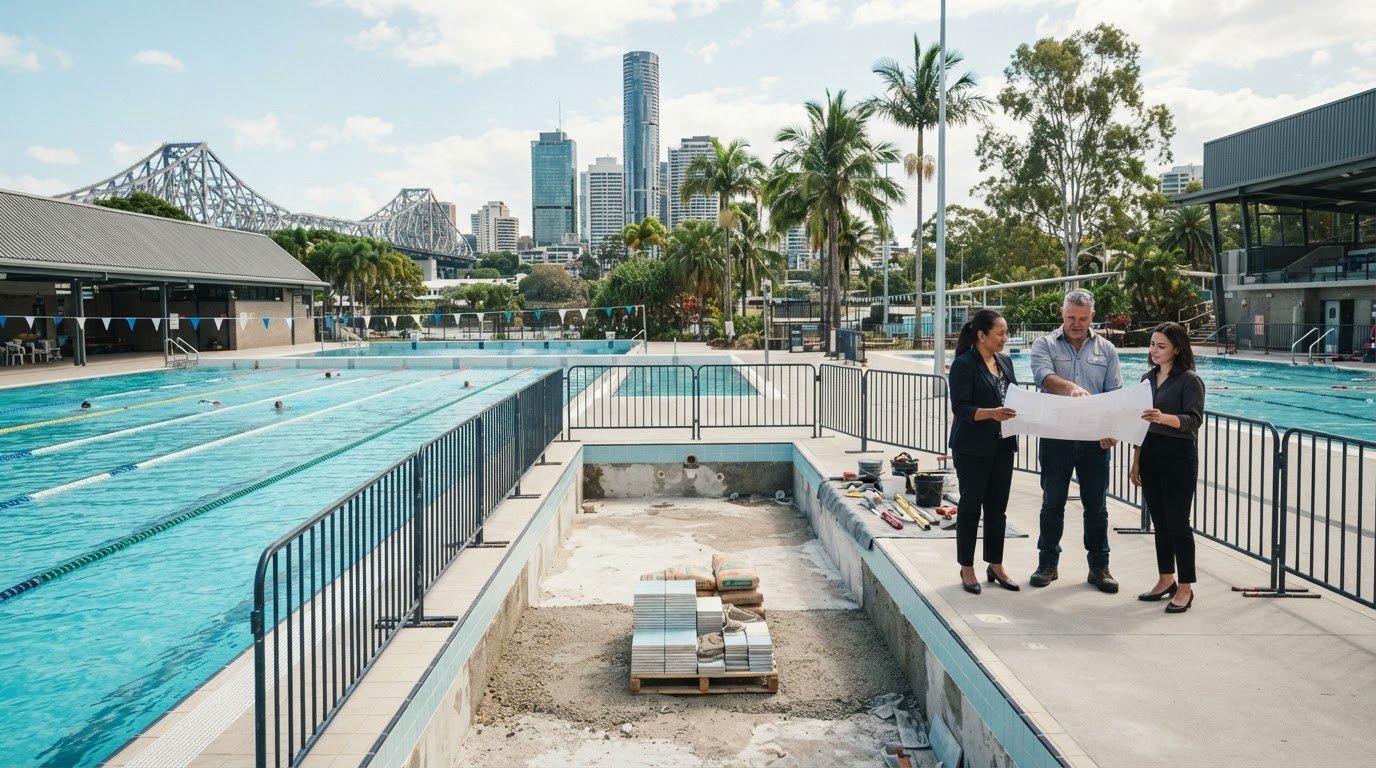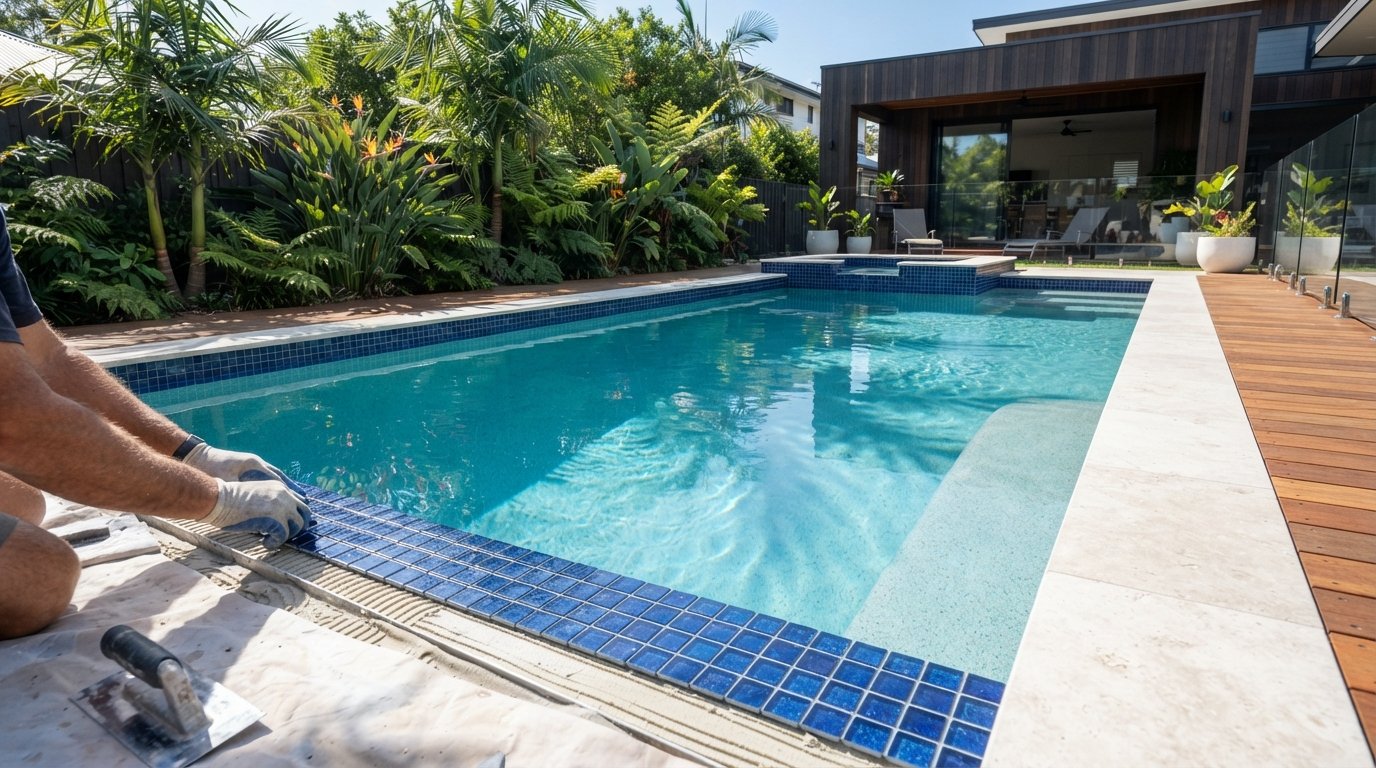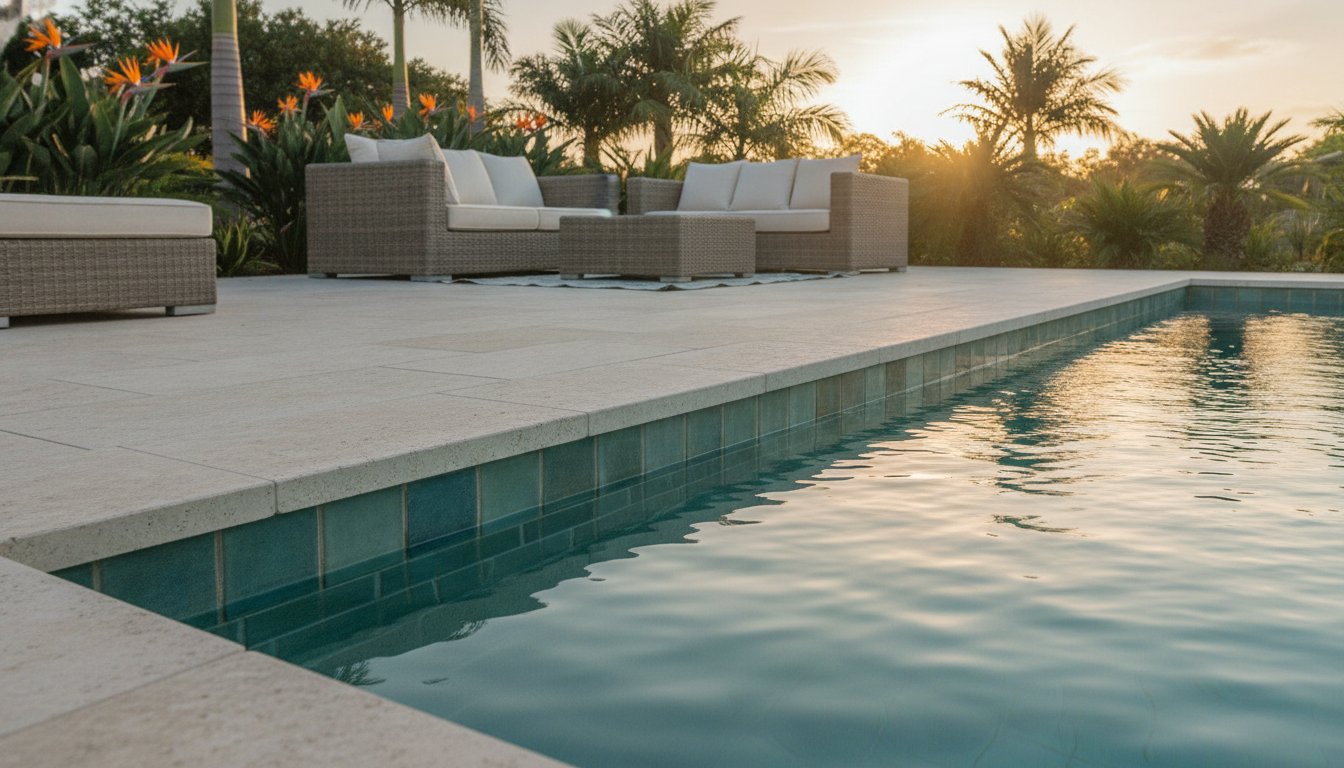

What if the secret to a pool that lasts twenty years isn’t the hardest material, but the smoothest? If you’ve ever dealt with the sting of “pool toe” from rough surfaces or watched your once-vibrant pool paint turn into a chalky, fading mess, you know that true durability shouldn’t come at the cost of your comfort. Choosing the most durable pool interior finish for our unique South East Queensland climate requires a careful balance of chemical resilience and structural integrity.
We understand that your pool is a significant investment and a central part of your family’s lifestyle. It’s frustrating to face rising maintenance costs or the sight of cracking tiles when you’d rather be enjoying the water. You deserve a surface that feels like silk underfoot while standing firm against the Brisbane sun for decades. In this 2026 guide, you’ll discover why smooth crushed marble remains the gold standard for longevity and aesthetic value. We’ll walk through the technical reasons this classic finish survives the test of time, ensuring your restoration project results in a beautiful, glass-like sanctuary that your family can rely on for another generation.
Key Takeaways
- Understand that true durability is a synergy of three pillars: resilient material composition, professional application, and precise water chemistry.
- Discover why smooth crushed marble remains a premier choice for Brisbane homeowners, providing a seamless bond and a texture that avoids the common “pool toe” associated with rougher finishes.
- Identify the most durable pool interior finish by comparing the twenty-year lifespan of traditional marble and tiles against the maintenance needs of modern alternatives.
- Learn how to maintain the Langelier Saturation Index in the “Goldilocks” zone to ensure your pool surface remains vibrant and resistant to chemical wear.
- Gain peace of mind through a managed restoration process that leverages decades of local experience and a commitment to fixed-price transparency.
Defining Durability: What Makes a Pool Interior Last 20+ Years?
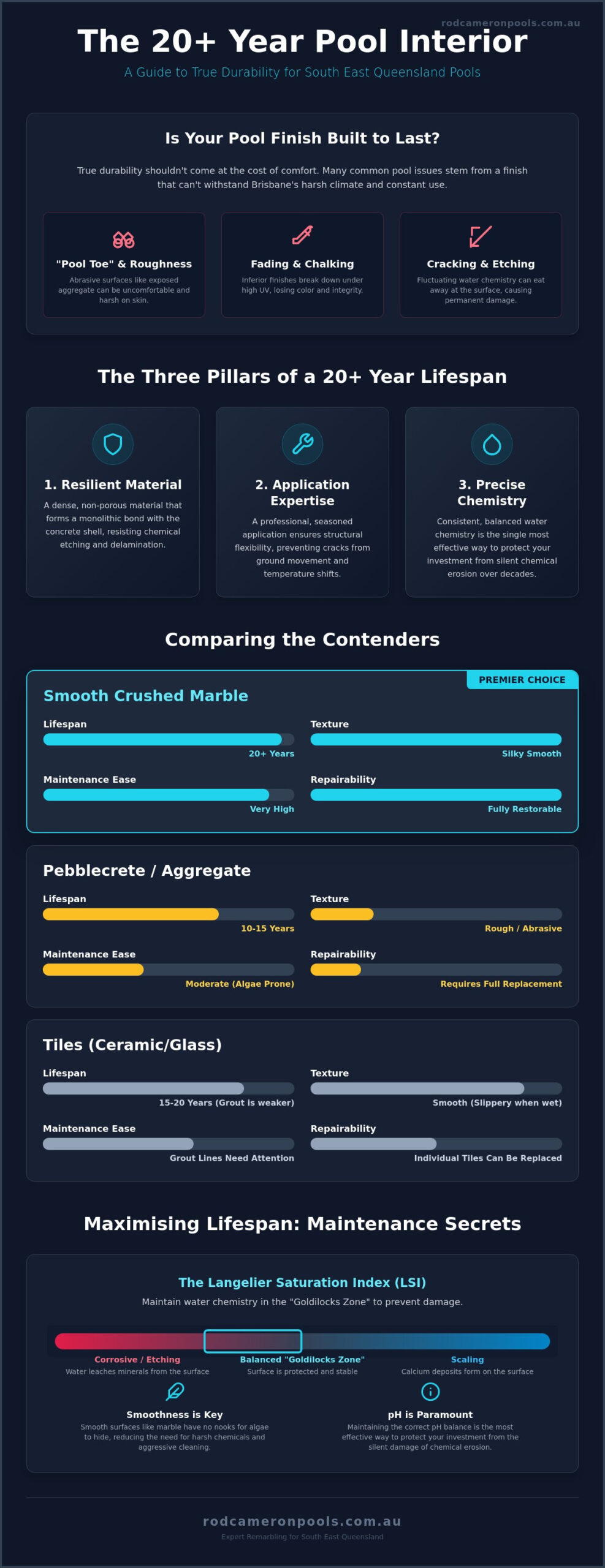
Finding the most durable pool interior finish for a Brisbane home involves looking far beyond the surface shine. Many people assume that the hardest material is automatically the longest-lasting, but durability is more complex than a simple measurement on a hardness scale. We’ve found that true durability is the ability to maintain aesthetic and structural integrity under 24/7 immersion. It’s about how a material handles the constant pressure of water, the aggression of chemicals, and the relentless South East Queensland sun without losing its bond or its beauty.
To achieve a lifespan of two decades or more, we rely on the “Three Pillars of Longevity”: material composition, application expertise, and consistent water chemistry. In Swimming pool construction, the interior finish acts as the primary defense for the concrete shell. If the material is too thin or the application is rushed, the finish won’t have the structural flexibility to handle the natural expansion and contraction of the earth. A seasoned professional knows that the bond at the molecular level is just as important as the material itself.
The Role of Chemical Resistance
Our local climate is famously harsh, and our pools feel the brunt of it. High UV levels accelerate the breakdown of chlorine, which often leads to fluctuating chemical levels that can be brutal on inferior finishes. We frequently see “etching,” a process where the water becomes chemically hungry and begins to leach minerals directly from the pool walls. This is why density matters. A dense, high-quality render resists this chemical attack much better than porous alternatives. While it’s easy to overlook, maintaining a perfect pH balance is the most effective way to protect your investment from the silent damage of chemical erosion.
Texture vs. Lifespan
There is a hidden relationship between the texture of your pool and how long it actually lasts. Rougher surfaces, like those with large exposed aggregates, create microscopic nooks and crannies where algae and calcium scale can hide. This often forces homeowners to use more aggressive cleaning methods and harsher chemicals, which eventually degrades the surface. When we discuss the most durable pool interior finish, we often point toward smoother options. A smooth surface isn’t just about preventing “pool toe” for the kids; it’s about reducing the surface area available for chemical damage and making the pool much easier to keep clean over the long term.
The Smooth Crushed Marble Advantage: Why Tradition Outlasts Trends
While modern marketing often highlights the latest aggregate trends, many homeowners find that the most durable pool interior finish is actually one with a pedigree stretching back to the 1960s. Smooth crushed marble, often referred to as remarbling, isn’t just a surface coating; it’s a specialized application that creates a monolithic bond with the existing concrete shell. This seamless integration is what allows the finish to withstand the hydraulic pressures and temperature shifts common in South East Queensland without the risk of delamination or chipping.
Unlike tiles that can crack or pebble finishes that can feel like sandpaper, marble provides a silk-like texture that is remarkably gentle on skin. This comfort doesn’t compromise strength. In fact, marble’s unique repairability sets it apart. If a marble interior ever develops minor stains or surface scaling over its twenty-year lifespan, it can be professionally polished to restore its original luster. This is a level of flexibility that other materials simply can’t match, as most aggregate finishes require a full replacement once they begin to age.
The Science of Marble Dust and Cement
The secret to this longevity lies in the microscopic structure of the material. By combining ultra-fine marble dust with high-grade white cement, we create a finish that is significantly denser and less porous than standard renders. The specific marble-to-cement ratio is critical, especially for high-traffic environments like commercial pools where the surface must resist constant wear. At Rod Cameron Pools, we’ve spent over 50 years perfecting this mixture. We understand that the importance of balanced water chemistry cannot be understated, as even the densest marble requires a stable environment to prevent the leaching mentioned in the previous section.
Aesthetic Longevity: The Classic White Look
Beyond structural benefits, the aesthetic choices you make today will impact your pool’s performance for years. A classic white marble finish remains the premier choice for concrete pools in Brisbane because of its natural ability to reflect sunlight. This keeps the water temperature noticeably cooler during our intense summer months. Since we use natural stone dust rather than synthetic pigments, the color won’t fade or “chalk” under heavy UV exposure. If you’re looking for a lasting transformation, exploring our professional remarbling services is a reliable way to ensure your pool remains a beautiful, functional centerpiece of your home.
Comparing the Contenders: Marble vs. Pebblecrete vs. Tile
Selecting the most durable pool interior finish for a Brisbane home often feels like a balancing act between initial investment and future peace of mind. In our fifty years of restoring South East Queensland pools, we’ve observed that longevity isn’t just about the material’s name, but how it responds to our specific environmental pressures. When we compare the three main contenders, a clear hierarchy of lifespan emerges based on residential performance. Full tiling often leads with a 20 plus year potential, followed closely by smooth crushed marble at 15 to 20 years, while pebblecrete typically begins to show its age between 10 and 15 years.
Finding the “sweet spot” for a residential renovation means looking at the cost-to-durability ratio. While tiles offer incredible longevity, the upfront cost is significantly higher than other options. Conversely, while pebblecrete is often the most budget-friendly initially, its shorter lifespan and higher maintenance needs can make it more expensive over the long term. We believe a pool should be a source of relaxation, not a project that requires constant attention or specialized repairs every few years.
The Problem with Pebblecrete
Aggregate finishes were the standard for many years, but they carry inherent flaws that become apparent in the intense Queensland sun. The very texture that provides grip also leads to “pool toe,” where the abrasive surface grazes skin during play. Over time, the bond holding the pebbles can weaken, causing small stones to pop out. This creates sharp edges and tiny craters that act as algae traps, making the pool much harder to keep clean. For a detailed breakdown of how these surfaces hold up, you can explore our Pebblecrete Swimming Pools Comparison guide.
Tiles: Luxury with a Hidden Maintenance Cost
Full-tile interiors are undeniably beautiful and represent a premium choice in the market. However, they come with a unique set of challenges in our local climate. Brisbane is known for reactive clay soils that shift with the seasons. Because a tiled surface is rigid, this ground movement can lead to “drummy” sections where tiles lose their bond and eventually fall off. Grout lines are also a point of vulnerability; they can degrade over time due to chemical exposure and humidity, requiring professional regrouting to maintain the pool’s integrity. For many, smooth crushed marble provides the same glass-like feel and high durability as tiles but with a monolithic bond that handles ground movement far more effectively.
Maximising Lifespan: Maintenance Secrets for High-Durability Finishes
Preserving the pristine beauty of your pool is a journey that begins the moment the water starts to flow into the shell. Even the most durable pool interior finish requires a thoughtful approach to maintenance to reach its full twenty-year potential. We often tell our clients that the first 28 days are the most critical period in the life of a new marble interior. During this time, the cement is still curing and the finish is reaching its final density. It’s a delicate phase where consistent brushing and careful chemical balancing set the foundation for decades of family memories.
The technical heart of pool longevity lies in the Langelier Saturation Index, or LSI. Think of this as the “Goldilocks” zone for your water chemistry. If the water is too aggressive, it will begin to leach minerals from the surface, a process known as etching. If it’s too saturated with minerals, you’ll see unsightly white scale building up on the walls. Maintaining a neutral pH can double the life of a marble finish, as it prevents the water from becoming “hungry” and attacking the cement bond. We recommend checking your levels weekly, especially during the peak of the swimming season when bather load and heat are at their highest.
While technology has made pool ownership easier, you should be mindful of automated cleaners. Some robotic cleaners or suction heads use abrasive wheels or high-pressure jets that can prematurely wear down a finish if it hasn’t been applied with the correct density. A well-applied marble interior is resilient, but avoiding overly aggressive mechanical cleaning in those first few months will ensure the surface remains glass-smooth for the long haul.
Brisbane-Specific Care Tips
Our South East Queensland climate presents unique challenges, from the rapid evaporation of a Brisbane January to the sudden, heavy downpours of a Gold Coast storm season. High evaporation rates concentrate minerals and salt in the water, which can lead to rapid scaling if not topped up and balanced. Conversely, heavy rain can dilute your chemicals and swing the pH wildly in a matter of hours. After a significant storm, it’s vital to test the water immediately to protect your interior from the corrosive effects of acidic rainwater and organic debris.
Professional Inspections
Knowing when to call in a specialist can save you thousands in the long run. There is a significant difference between a surface that needs a “polish and buff” and one that requires a full resurface. A professional can often restore a slightly stained or rough marble finish to its original silkiness with a gentle mechanical polish. We also look for early signs of “concrete cancer” or spalling, where rusted steel reinforcement can cause the concrete shell to expand and crack the interior. Catching these structural issues early is the only way to safeguard your investment. For a deeper look at how to manage the lifecycle of your pool, our Pool Renovations Brisbane Guide offers a comprehensive roadmap. If you’re concerned about the current state of your surface, you can always request a professional onsite assessment to determine the best path forward.
The Rod Cameron Standard: Expert Remarbling for SE Queensland
Since 1968, our family has been dedicated to the art of pool restoration across South East Queensland. We’ve watched trends come and go, but our focus has remained on providing the most durable pool interior finish through time-honored techniques. This legacy of craftsmanship isn’t just a point of pride; it’s a guarantee that your project is backed by over five decades of practical, local experience. We understand the specific nuances of Brisbane’s soil and climate, allowing us to deliver results that stand firm against the elements. Our work is built on a foundation of honesty, local reputation, and hard work, ensuring every client feels like a partner in the process.
We believe that a high-value luxury purchase should be met with total transparency. That’s why we offer a fixed-price guarantee for every Brisbane pool renovation we undertake. You won’t find hidden costs or unexpected fees in our quotes. Instead, you’ll find a clear, honest breakdown of the work required to transform your backyard. Our team takes full responsibility for the managed process, ensuring that the transition from a worn-out shell to a shimmering oasis is as frictionless as possible for your family. This deliberate pace builds consumer confidence, suggesting that the project will be handled with the patience and care it deserves.
Our Proven Remarbling Process
The difference between a long-lasting surface and a temporary fix often comes down to the application method. While some contractors might opt for a “quick spray” to save time, we insist on a Rod Cameron hand-finish. Our artisans use hand-trowelled precision to create a dense, glass-smooth surface that maximizes the material’s lifespan. This meticulous approach ensures a perfect bond with the concrete shell, preventing the delamination issues often seen with rushed applications. We take pride in the technical precision of our work, using high-quality materials that evoke a sense of timelessness and durability.
Managing difficult site access is a specialty of ours, particularly in the hilly suburbs of Brisbane and the coastal reaches of the Sunshine Coast. We’ve refined our logistics to ensure we can reach almost any pool without causing unnecessary disruption to your property. Our process moves with a steady, reliable pulse, starting with a structural assessment, moving through careful preparation, and ending with the precise application of our smooth crushed marble pool finish. This methodical rhythm reflects our mastery of the craft, developed over a significant period of serving the local community.
Ready to Transform Your Pool?
Choosing a partner for your pool restoration is about more than just finding a contractor; it’s about finding a team that cares about your home’s legacy as much as you do. As a family-owned business, we treat every residential and commercial project with the sincerity and attention to detail it deserves. We invite you to experience the peace of mind that comes with a professionally managed renovation. If you’re ready to see how our expertise can breathe new life into your backyard, you can Get a Fixed-Price Pool Resurfacing Quote today and start the journey toward a beautiful, lasting finish.
Secure Your Backyard Sanctuary for Decades to Come
Your pool is more than just a structural feature; it’s the heart of your home’s outdoor lifestyle and a place where family memories are made. Selecting the most durable pool interior finish is the first step toward ensuring those moments remain uninterrupted by rough surfaces or costly repairs. As we’ve discussed, the synergy between a high-density crushed marble finish and diligent water chemistry creates a surface that truly stands the test of time in our unique South East Queensland climate.
Since 1968, our family has focused on the fine details of pool restoration, prioritizing craftsmanship over quick fixes. We understand that a successful renovation requires a blend of technical precision and a managed, transparent process. By choosing a specialist who values hand-trowelled quality and local reputation, you’re investing in a backyard legacy that will serve your family for twenty years or more. Our fixed-price quotes ensure you can plan your project with confidence and total peace of mind.
Request Your Fixed-Price Pool Resurfacing Quote Today
We look forward to helping you create a beautiful, glass-smooth sanctuary that your family will enjoy for many summers to come.
Frequently Asked Questions
What is the longest-lasting pool finish available in Australia?
Glass mosaic tiles technically hold the record for longevity, often lasting 30 years or more, but they come with a high upfront cost. For most homeowners, a smooth crushed marble finish represents the most durable pool interior finish in the rendered category. When applied correctly by a specialist, this finish provides a 15 to 20 year lifespan while offering a texture that is far more comfortable than aggregate alternatives.
Is marble plaster more durable than pebblecrete?
Marble finishes often prove more durable than pebblecrete because they create a denser, monolithic bond with the concrete shell. Pebblecrete relies on larger stones that can eventually “pop out” due to chemical wear or structural movement, creating sharp edges and algae traps. Marble’s smooth surface is also easier to clean, which reduces the need for aggressive chemicals that can degrade the interior over time.
How often does a concrete pool need to be resurfaced in Brisbane?
Most concrete pools in Brisbane require resurfacing every 15 to 20 years, provided they were originally finished with high-quality materials. Our intense South East Queensland sun and fluctuating humidity levels can accelerate wear on inferior surfaces like pool paint or thin plasters. If you notice persistent staining, rough patches, or visible cracks in the shell, it’s likely time to consult a restoration expert about a long-term solution.
Can I change my pool finish from pebblecrete to smooth marble?
You can certainly transition from a rough pebblecrete surface to a smooth marble interior. This is a common part of our pool restoration work. We carefully prepare the existing shell by removing loose aggregate and applying a specialized bonding agent to ensure the new marble layer integrates perfectly. This process completely transforms the look and feel of your pool without requiring a total structural rebuild.
Why is my pool interior feeling rough and how do I fix it?
Roughness is typically caused by calcium scale buildup or the erosion of the cement binder in aggregate finishes. If the roughness is due to scaling, a professional chemical treatment or a mechanical polish may restore the smoothness. However, if the surface has physically degraded, a full remarbling is the most effective way to achieve a permanent, glass-smooth result that is gentle on your family’s skin.
Does pool colour affect the durability of the finish?
Color does play a role in longevity, as natural white marble finishes tend to be the most resilient against the Brisbane sun. Synthetic pigments used in darker or vibrant finishes can sometimes “chalk” or fade over a decade of heavy UV exposure. By using natural stone dust, we ensure the color remains consistent throughout the entire thickness of the material, preventing the patchy appearance often seen in aged, dyed surfaces.
What is the most cost-effective yet durable pool renovation option?
Smooth crushed marble is widely considered the most cost-effective way to achieve long-term durability. While it requires a higher initial investment than basic pool paint, its 20 year lifespan means you won’t be paying for frequent repairs or early replacements. It bridges the gap between budget options and premium full tiling, offering the most durable pool interior finish for families who value both quality and value.
How long does the remarbling process take for a standard Brisbane pool?
A standard residential remarbling project in Brisbane usually takes between 7 and 14 days to complete. This timeframe includes draining the pool, preparing the surface, hand-trowelling the new finish, and the initial chemical balancing. While we move with a methodical and steady pulse to ensure precision, we also prioritize a frictionless experience so you can get back to enjoying your backyard oasis as quickly as possible.