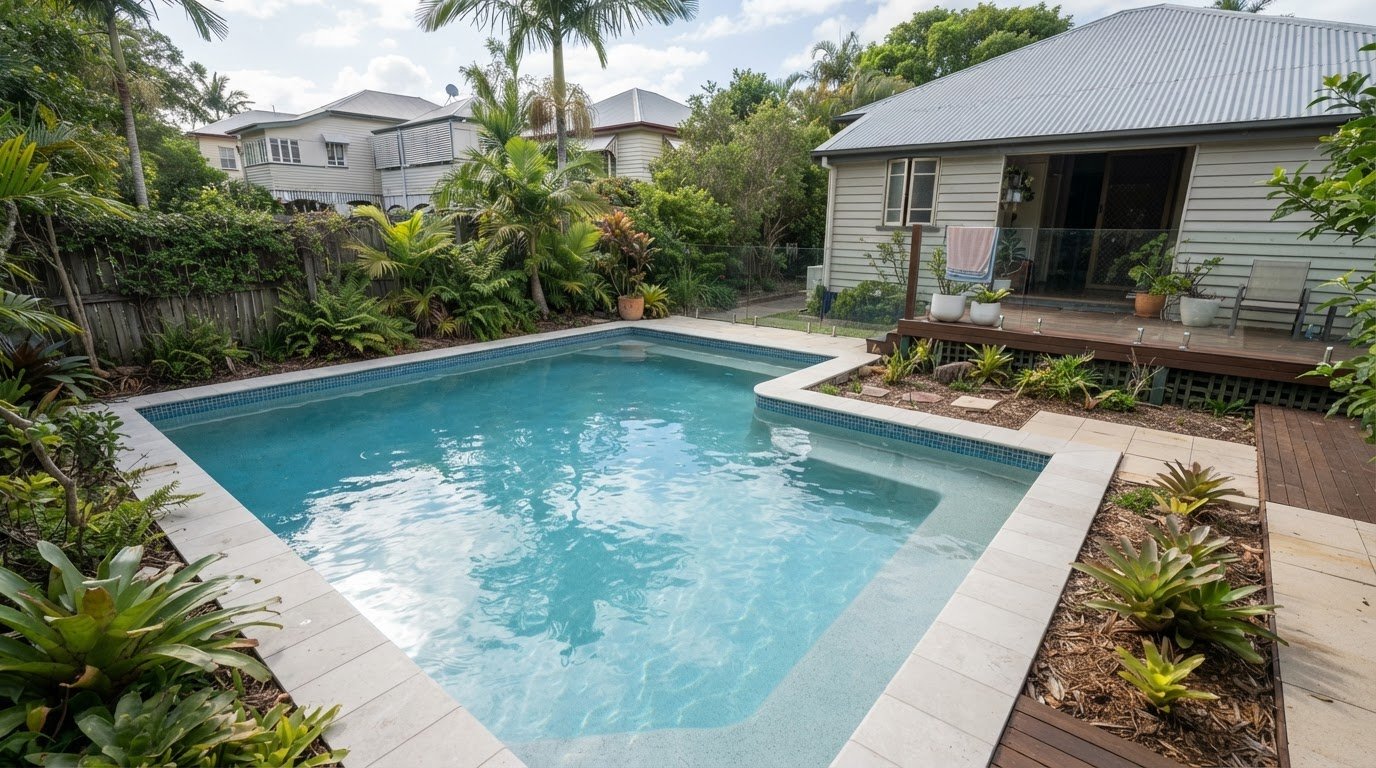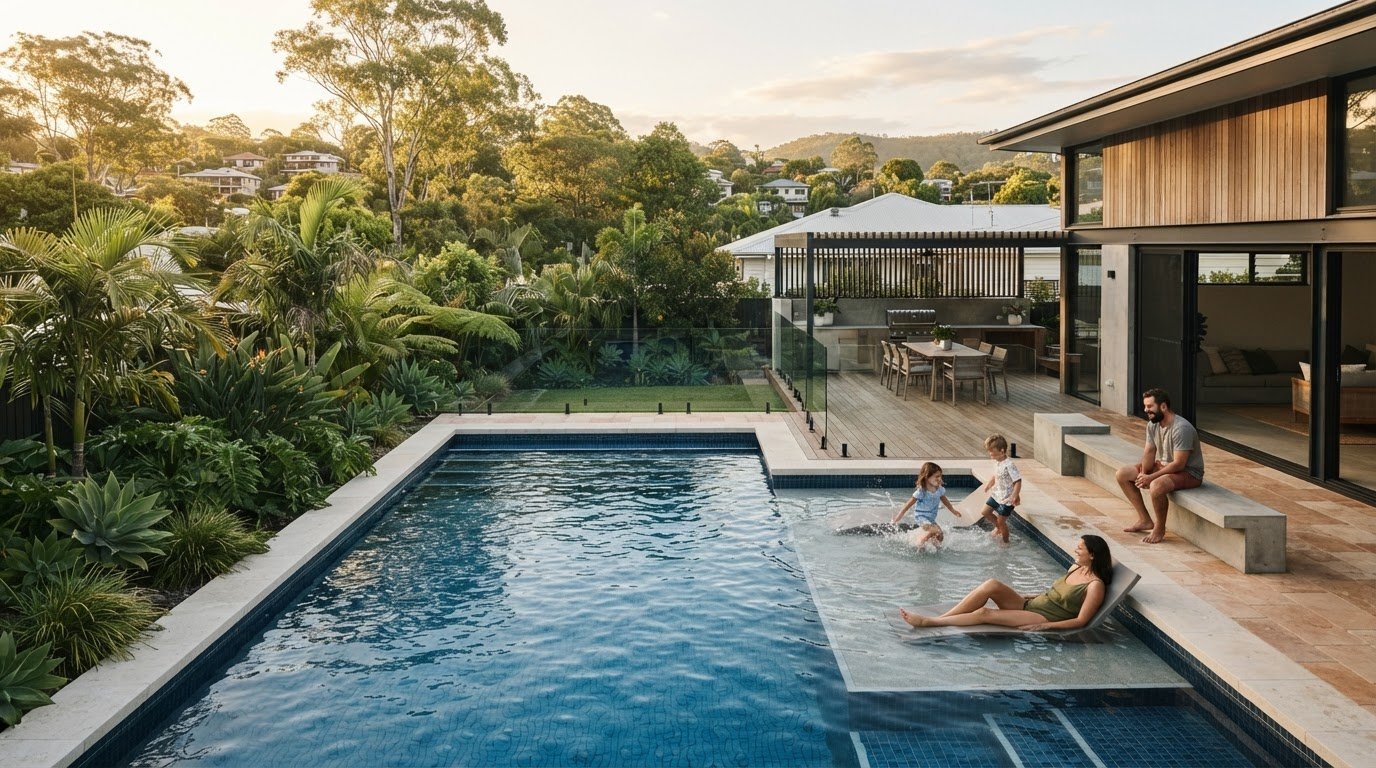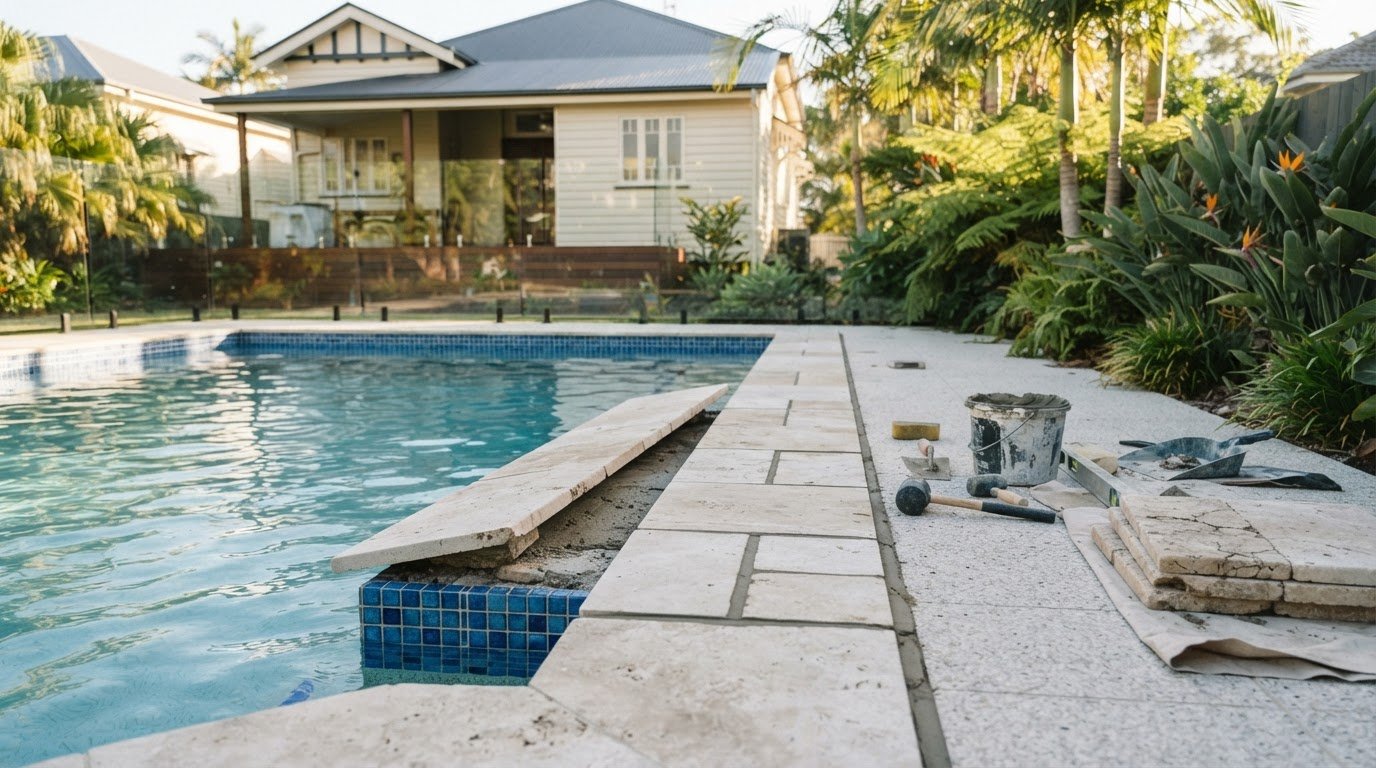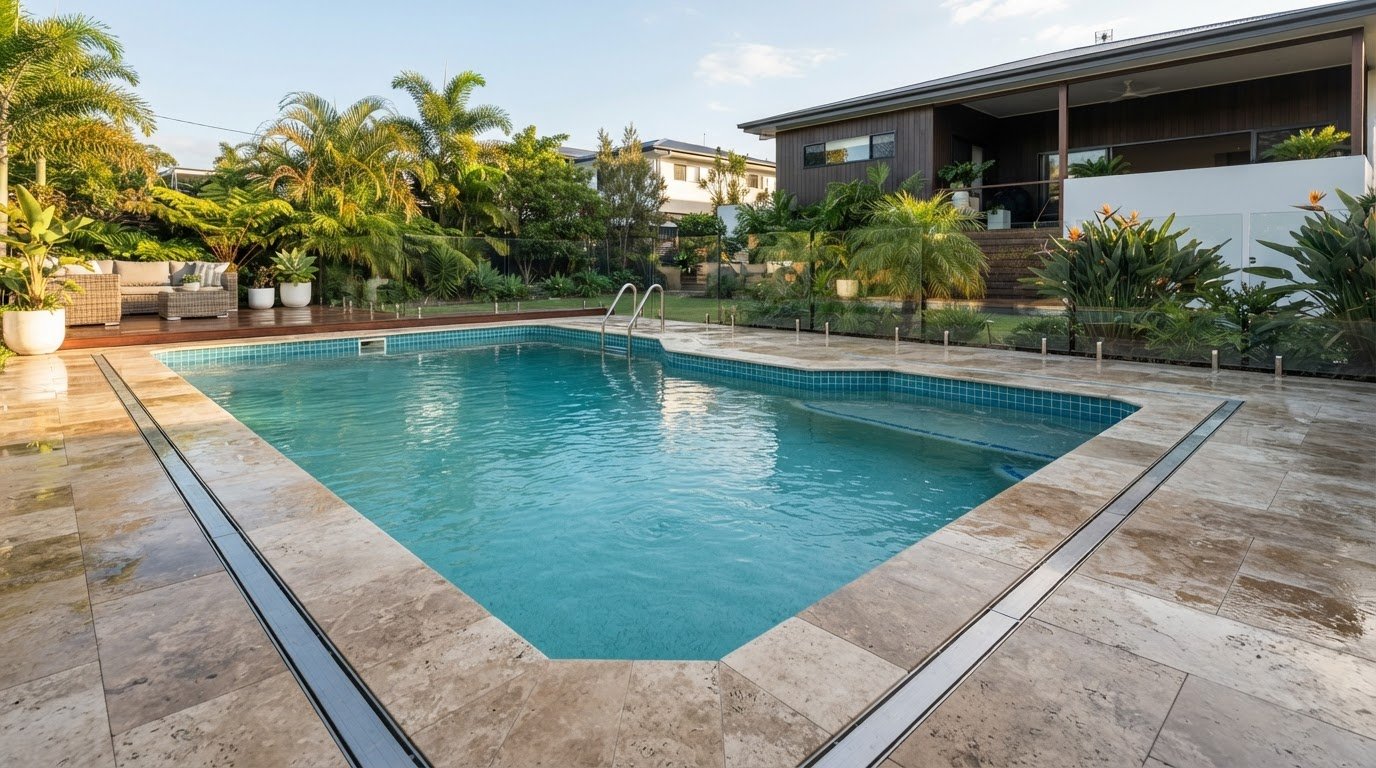

A tired pool doesn’t always need replacing; a considered renovation can address worn surfaces or structural problems, refresh the interior and make ongoing care simpler. A backyard pool renovation in Brisbane may be worthwhile when concrete damage needs attention or the pool no longer suits the way your household uses it.
Before committing to work, it helps to understand the pool’s condition and the options available. Start with the concrete shell and existing finish, then consider which repairs or upgrades will make a practical difference and how the materials will shape the result.
This guide covers common concrete pool problems, interior finishes and pool surrounds, along with the factors that shape a renovation quote. You’ll also learn when resurfacing or restoration may suit an existing pool, so you can plan the work with a clearer sense of your priorities.
Key Takeaways
- Weigh up whether resurfacing or a broader restoration best addresses your pool’s condition and how you use it.
- Learn how waterline tiles, coping and lighting upgrades can be considered as part of a renovation plan.
- Recognise common concrete pool issues and why their cause matters when planning repairs.
- Compare interior finishes by their appearance and suitability for your pool, including smooth crushed marble.
- Explore how paving, decking and tiling can shape the look and function of the pool surrounds.
Why renovate your swimming pool?
Renovation can renew a worn finish, repair damage and update features without replacing the pool shell. In Brisbane, the scope may include resurfacing, tile work or improvements to the pool surrounds.
Start with the pool’s condition, then decide which changes improve its appearance, function and ongoing care. For example, a renovation can combine surface work with tile, coping, lighting or equipment upgrades.
Waterline Tiles, Coping and LED Lighting
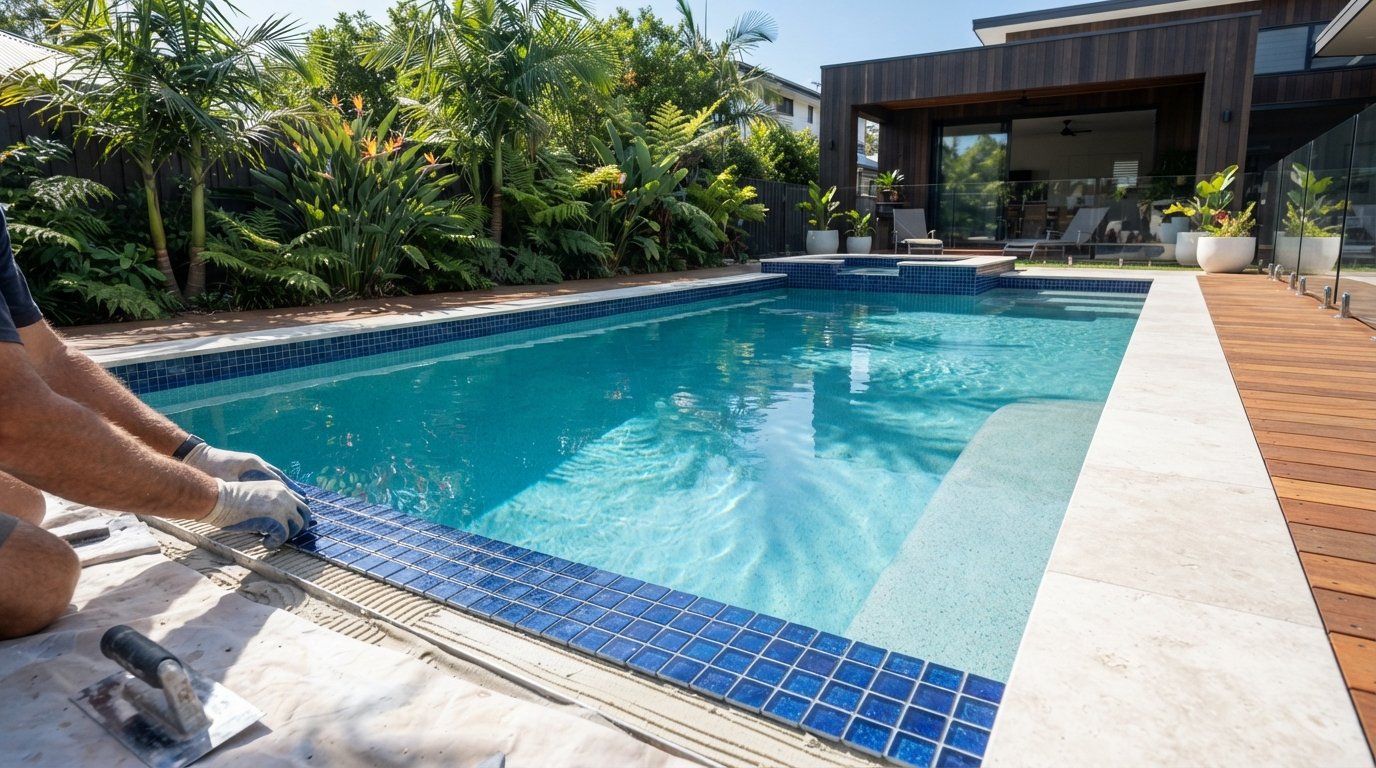
Waterline tiles create a visible band around the pool. Compare their colour and pattern with the interior finish and surrounding paving. Coping caps the pool edge, so its appearance should work with both the waterline and the paving. Replacing damaged tiles or coping as part of a renovation can create a more cohesive edge.
Lighting can change how the pool looks after dark. Consider the placement and effect of each light alongside the tiles and coping, rather than treating lighting as a separate design choice. If the existing pool has pebblecrete, include its condition in the surface assessment before choosing finishes.
Renovation Timing and Steps
Swimming pool resurfacing generally takes about 1-2 weeks, including preparation, application and curing. Small Brisbane upgrades such as retiling or resurfacing can take 1-3 weeks; projects involving structural changes may take several weeks longer.
A practical sequence begins with assessing the shell and existing finish, then defining repairs and selecting materials. The work can proceed through preparation, surface or tile installation, curing where required, and final review. The scope and condition of the pool influence timing.
In Brisbane, cosmetic updates such as resurfacing, tiling or equipment replacement generally don’t require council approval. Structural changes may require approvals and engineering. Queensland pool safety requirements should also be considered if the renovation affects fencing, access or the pool area; a full project may include compliant pool fencing design and installation.
To improve energy efficiency and water use, include the pump, filtration equipment and any leaks in the renovation assessment. The right equipment choices depend on the pool and its existing setup. Repairing a leak addresses avoidable water loss, while reviewing pump and filter operation can inform equipment upgrades.
Water features or a spa may be considered as part of a broader project, while updated filters and pumps address pool equipment. These additions affect the scope, so decide whether they support your priorities before finalising the work. Coordinating finishes, equipment and repairs can give an older pool a more considered renewal.
Free renovation consultations and quotes
A useful quote turns a renovation idea into a defined scope of work. For a concrete pool, the assessment should connect visible wear with the repairs, replacement materials and finish being proposed.
Consultations and Quote Options
A renovation consultation helps organise priorities before work is scoped. Discuss the pool’s surface, structural condition, desired finish and any planned additions, such as replacing tiles. A written quote can then describe the work being considered. “Free consultation” means no charge for that discussion; it doesn’t automatically mean every investigation or later change is included.
Bring the decisions together: what needs repair, what you want replaced and the result you’re aiming for. A worn interior with sound surrounds may need a different scope from a pool with structural concerns and several planned upgrades.
Comparing Tradie Quotes
Compare quotes by scope, not just the bottom line. Check whether each describes the same surface preparation, repair work, materials, replacement items and finishing stages. For a pool close to the ground or with restricted access, note how the quote accounts for site conditions and work required to reach the pool.
A clear scope makes it easier to understand what each quote includes. One may cover repairs beneath the surface, while another describes resurfacing alone. Check that included work and exclusions are set out clearly, so you understand the proposed result before work starts.
Renovation Quote Fees
Renovation price depends on the pool’s size, surface condition, access, materials and structural work, and is given after a quote request. A quote can also distinguish base work from optional replacement or upgrades, helping you see how each decision affects the project scope.
For a free consultation, confirm what the discussion covers and whether any separate inspection or design work carries a fee. A quote should make any charge clear before that work proceeds. Keep the written scope with the quote, especially when repairs or ground conditions could change the work required.
Prepare a concise project brief with photographs, any known pool history and your preferred finish. Separate essential repairs from optional improvements, such as new tiles or equipment. This gives the assessment a practical starting point and helps keep the proposed work focused on your priorities.
For a renovation involving a residential pool, a clear scope can connect surface work with the repairs and replacement decisions that shape the finished result. Explore residential pool services as a next step when planning the work.
Common concrete pool problems
Concrete pools can show wear in the surface, shell, fittings and surrounding edges. Identifying which area is affected helps distinguish a cosmetic refresh from repairs that need closer attention. Record what you can see, where it is and whether it appears to be changing.
Surface deterioration may appear as rough, flaking or discoloured patches. A worn interior can affect the pool’s appearance and feel. Before resurfacing, assess the existing surface and any underlying damage. Isolated patches and widespread wear may call for different repair and preparation work.
Cracks need careful assessment. Their position, direction and appearance can help identify whether the issue is limited to the finish or involves the concrete shell. Note cracks near fittings or any that seem to change, and discuss them during an inspection. Don’t assume every visible line needs the same repair; the cause informs the appropriate work.
Water loss may also indicate a problem. A leak can involve the shell, a fitting or connected pool equipment, so note when the water level changes and whether the pump is running. This information can help distinguish a possible leak from other causes, such as water lost through normal pool use.
Tiles and edges offer further clues. Loose or damaged waterline tiles, deteriorating grout and chipped coping can affect the finish and may need repair. Inspect the waterline and pool edge separately: a tile issue may be limited to its band, while damaged coping can extend around the perimeter.
Equipment problems can be separate from shell damage. A change in pump performance, poor filter circulation or a leaking fitting deserves attention in its own right. Include equipment in the assessment, but don’t assume replacing it will fix a cracked or worn concrete interior.
Brisbane examples show how renovation needs vary. One reported customer needed pebblecrete resurfacing for two concrete pools. Another described a 20-metre pool requiring resurfacing and repairs. These examples illustrate different scopes, not a standard diagnosis: each pool’s surface and shell condition determines the work considered.
For a clear assessment, group your observations into surface wear, shell or tile concerns, and equipment or water-loss symptoms. Note where each issue appears, then discuss it during an inspection. This helps connect visible symptoms with suitable repairs instead of treating every concrete pool problem as a resurfacing job.

Pool interior materials and design options
The interior finish shapes how a pool looks and feels. Before resurfacing, assess the existing surface and choose a finish suited to the shell and the appearance you want. A pale interior, for example, creates a different visual effect from a darker one, especially beside contrasting waterline tiles.
Smooth crushed marble is a finish option for a concrete pool. Its smooth texture and traditional appearance suit homeowners looking for a refined, understated interior. Consider the material alongside the pool’s condition, as surface preparation and repairs affect how the new finish is applied.
Compare finish samples with the pool’s fixed features before deciding. Look at them beside the coping, waterline tiles and surrounding area, rather than judging a colour on its own. A warm-toned sample may complement existing paving, while a cooler shade can create contrast with the pool edge.
Ask how the existing surface will be prepared and how defects will be addressed. Resurfacing doesn’t simply cover every old problem. Loose material or underlying damage may need attention first, since the pool shell’s condition informs the preparation plan.
Maintenance expectations also belong in the decision. A well-maintained swimming pool with quality resurfacing can typically go 15-25 years before needing resurfacing again. That period is a useful planning reference, not a promise for every pool. Care, use and the condition of the original surface all affect its service life.
To compare design options clearly, consider these points together:
- Appearance: View the finish beside existing tiles and coping.
- Surface condition: Match preparation and repair work to the pool shell.
- Long-term care: Understand the finish’s maintenance needs before choosing.
A renovation can coordinate the interior with the waterline tiles to create a deliberate transition between the water and pool edge. For example, a restrained interior with a distinctive tile band adds definition without changing the pool’s shape. Consider lighting and surrounds in the overall palette, even if they aren’t part of the interior finish.
Choose a finish to suit the project, not just current trends. For a backyard pool renovation in Brisbane, consider the existing surface, the texture you want and the surrounding design together. A considered choice can refresh the pool’s appearance while keeping the work grounded in the concrete shell’s needs.
Pool surrounds, paving, decking and tiling
Pool surrounds connect the backyard with the water. A renovation may include paving, decking or tiling, depending on the site and the finish you want. Consider the pool edge, nearby doors and outdoor entertaining area together. Matching surround tiles with coping, for example, can create a more unified transition. When outdoor upgrades are tied into wider residential remodeling or construction, exploring design-and-build approaches like those at cdohomebuilder.com can provide useful guidance on harmonising exterior spaces with home architecture.
Assess the existing surface around the pool first. Look for loose pavers, uneven sections, cracked tiles and places where water collects. These signs help determine whether local repairs or wider replacement are appropriate. Check the base as well as the visible finish, since a new installation may not resolve an underlying problem.
Paving creates a defined, solid pool surround. Compare its colour and pattern with the pool interior, coping and home exterior. Larger-format paving can create a quieter visual effect, while smaller pavers make the joints more noticeable. Consider a sample beside the pool before settling on a design.
Decking gives the surround a different material character. Its tone and board direction can lead the eye along the pool or towards an outdoor living area. Boards running parallel to the pool’s long edge, for instance, can emphasise that line. Include the joins between decking, coping and nearby paving in the design plan.
Tiling can connect the pool edge with the broader outdoor palette. Using a continuous tile can link the waterline, coping and surrounding area, while contrasting finishes can define each zone. Plan the layout around corners, steps and existing edges, where cuts and alignment affect the result.
Before choosing materials, consider these practical points:
- Existing condition: Record cracks, loose sections and visible changes.
- Design relationship: Compare samples with coping, tiles and the house exterior.
- Installation scope: Clarify which areas need repairs, removal or replacement.
- Layout: Plan transitions at corners, steps and garden-facing edges.
A renovation can refresh the pool area without changing the shell. Replacing tired paving while keeping sound coping, for example, can improve the setting with a focused scope. The extent of the work depends on what is damaged and how the areas connect.
Brisbane homes vary in layout, access and existing materials, so the surround plan should suit the site. Design ideas from the Gold Coast may inspire a palette, but the home’s architecture and local conditions should guide the final choice. Address cracks and uneven areas during planning rather than covering them with a new finish.
For a coordinated update, plan your pool tiling and paver renovation as part of the wider project. Aligning material choices and installation stages helps the pool edge and surrounding space read as one considered design.
Rod Cameron Pools
Rod Cameron Pools helps homeowners plan work for their existing pools. If the surface is worn, the finish needs refreshing or the pool needs broader restoration, services include Pool Resurfacing, Remarbling and Pool Restoration. A smooth crushed marble finish is an option for renewing a concrete pool interior. The right scope depends on the pool’s condition and your priorities, from surface work to a more complete restoration. To discuss your backyard pool renovation in Brisbane, contact Rod Cameron Pools.
Shape the next chapter of your backyard
A pool renovation can make the space feel more connected to your home and the way you use it. Before choosing a direction, decide what matters most: a calmer palette, a more cohesive pool edge or a finish that better suits the setting. That priority can guide design decisions without losing sight of the pool’s condition.
For a backyard pool renovation in Brisbane, begin with a conversation about your pool, ideas and desired changes. A considered plan gives the finished space a clear purpose, whether you’re refreshing a family pool or rethinking your outdoor area. Rod Cameron Pools serves homeowners across the Greater Brisbane area, with projects also relevant to the Gold Coast and Sunshine Coast.
Contact Rod Cameron Pools to discuss the pool renovation you have in mind. Your next chapter of poolside living can begin with a clear, practical conversation.
Frequently Asked Questions
What are the different pool resurfacing options available?
Options include Pool Resurfacing and Remarbling, with a smooth crushed marble pool finish available. The right option depends on the existing surface and the appearance you want. You might choose a consistent marble finish across the interior or focus on renewing a worn surface. A consultation can help shape the scope around the pool’s condition and your preferred result.
Can you fix osmosis, cracks and leaks?
Cracks and leaks need assessment to identify their source before repairs are planned. Rod Cameron Pools offers Pool Repairs and Pool Restoration for pool issues. Suspected osmosis also needs careful assessment, as identifying the affected area helps determine the appropriate work. Describe the symptoms and where they appear so the inspection can focus on the relevant surfaces or components.
Need some inspiration?
Start with the pool’s shape and the style of your outdoor area. Rectangular, kidney-shaped and oval pools each create a different visual flow, while adding a spa offers another design direction. Consider how the interior finish, waterline tiles and coping work together. These choices can help you develop a design brief before discussing a renovation or new pool.
What does a backyard pool renovation in Brisbane typically include?
A backyard pool renovation in Brisbane may include work on the interior, repairs, tiles or coping, depending on the project. Some renovations focus on renewing a tired surface; others address several areas together. Rod Cameron Pools provides residential pool services, including repairs and renovations. The proposed scope is tailored to the existing pool and the changes needed to achieve your intended result.
How much does pool renovation cost in Brisbane, Australia?
The quote reflects the pool and project scope. Rod Cameron Pools offers a free quote, with no fixed renovation price published. Requesting a quote begins the process of defining the work, from assessing the existing pool to considering your preferred finish. This sets out the proposed scope before you decide how to proceed.
What factors affect the cost of renovating a pool in Brisbane?
Pool size, materials and the condition of the existing surface all affect the renovation scope. The work may also change if the project includes repairs or multiple upgrades instead of one focused task. Renewing an interior alone differs from combining surface work with tile or coping changes. A quote can reflect the particular pool and the decisions involved.
What are the best pool resurfacing and interior finish options for Brisbane pools?
The right option depends on the pool’s condition and the appearance you want. Rod Cameron Pools offers Remarbling and a smooth crushed marble pool finish for concrete pool interiors. Consider how the finish will look beside existing tiles and coping, as well as the effect you want across the water. The surface condition also determines the preparation needed before applying a new finish.
How do you choose a reputable pool renovation contractor in Brisbane?
Look for a clear process that connects assessment, a design proposal, an agreed scope and handover. Rod Cameron Pools follows these stages for renovation projects, defining the intended work before it begins. Brisbane homeowners can discuss the pool’s condition, desired changes and finish preferences as part of planning. The same approach applies to projects in the Gold Coast and Sunshine Coast areas.