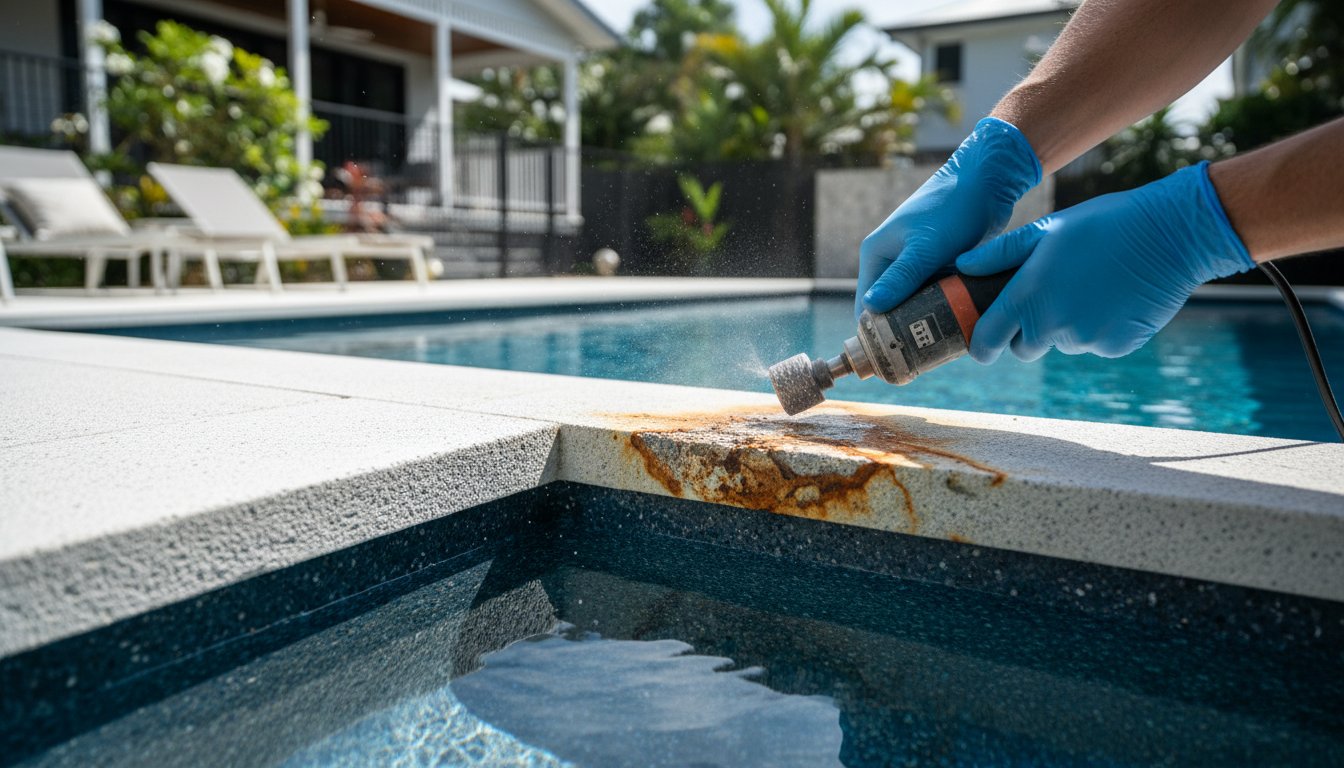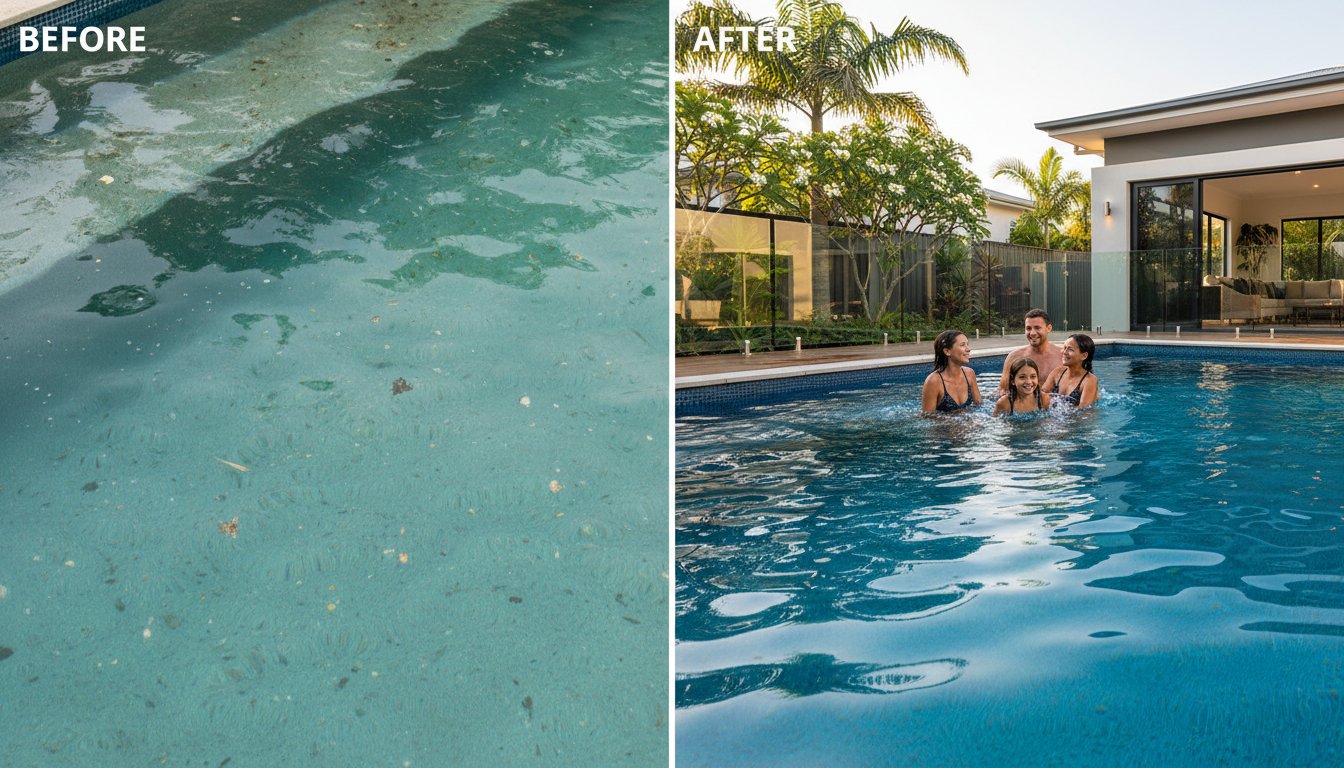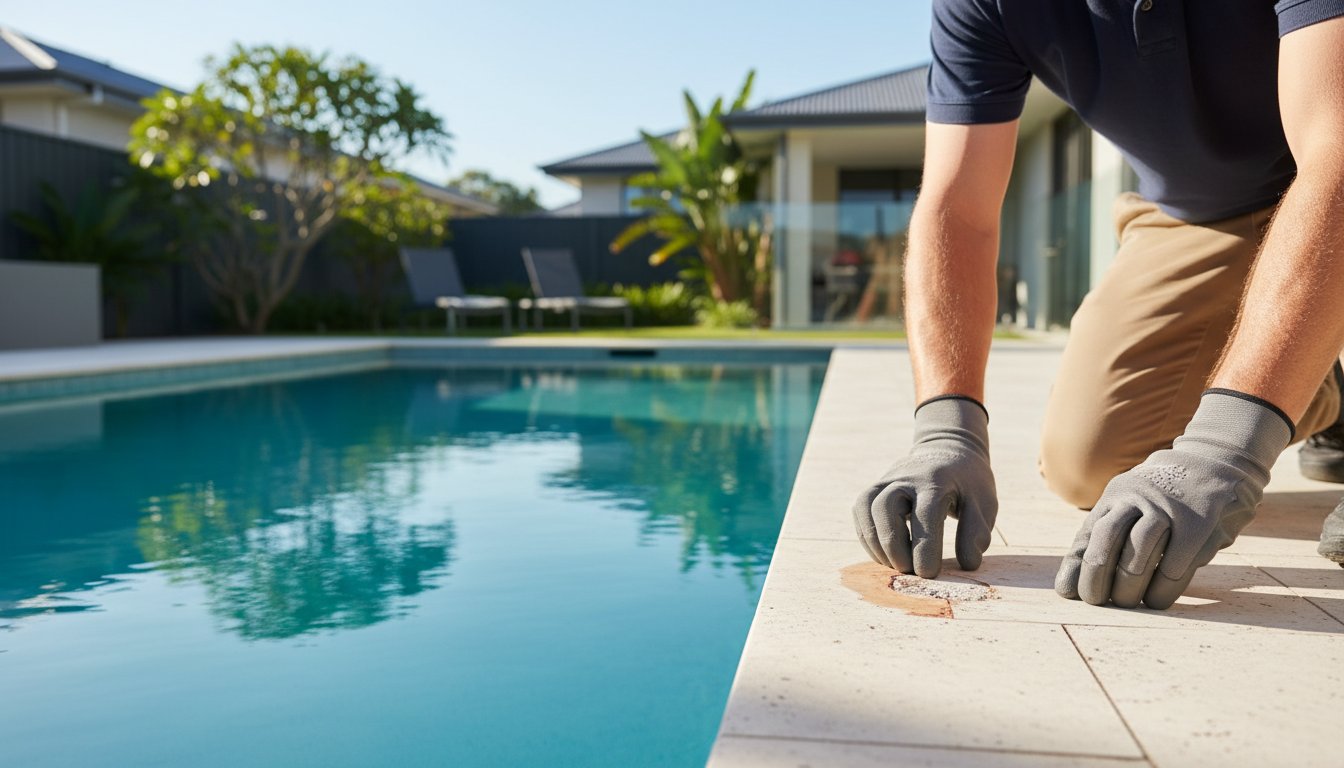

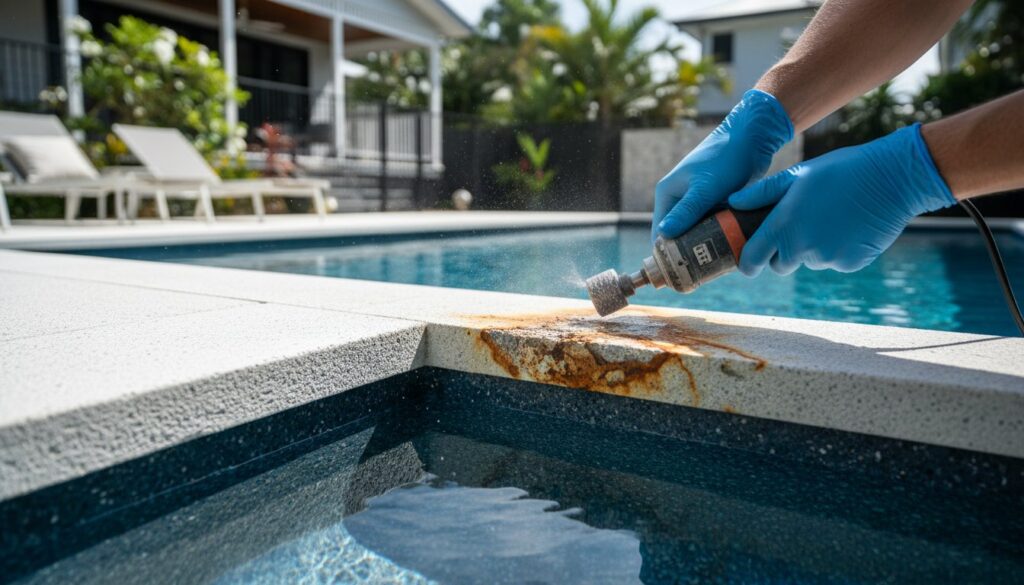
Last Tuesday, a family in Ascot noticed a small, amber bloom on their pool steps that simply wouldn’t scrub away. Within forty-eight hours, that single spot had blossomed into a jagged streak of rust, sparking the immediate fear that structural “concrete cancer” was quietly compromising their backyard sanctuary. You likely understand that sinking feeling when an unsightly blemish disrupts your pristine aesthetic and ruins the weekend’s plans. We know you want a solution that protects your home’s value without the stress of trial-and-error repairs or conflicting advice about draining your water.
Learning how to fix pool rust stains brisbane families encounter requires a blend of technical precision and local expertise suited to our humid Queensland climate. This guide leverages our forty-year heritage to help you distinguish between a simple surface deposit and deeper structural corrosion that threatens your pool’s integrity. We’ll walk through the meticulous steps required to diagnose, treat, and seal your finish so you can return to making memories with absolute confidence in your pool’s safety and craftsmanship. From identifying the source to applying a permanent fix, we’ll ensure your quality concrete pool remains a beautiful, enduring asset for your family.
Key Takeaways
- Identify the critical difference between superficial surface marks and structural oxidation accelerated by Brisbane’s humid, salt-heavy environment.
- Understand the underlying causes of “concrete cancer” and how low steel coverage in older builds leads to modern-day reinforcement failure.
- Learn the professional diagnostic steps for how to fix pool rust stains brisbane experts recommend, comparing surface treatments against permanent mechanical repairs.
- Discover why the “Deep Cut” method is essential for a lasting fix, ensuring all corroded material is removed to protect the pool shell’s long-term integrity.
- Recognize the signs that your pool has reached its end-of-life and explore how a premium crushed marble resurface can restore both beauty and durability.
Understanding Pool Rust Stains: More Than a Cosmetic Issue for Brisbane Pools
A rust stain in your pool is rarely just a blemish; it’s a chemical signal that requires immediate attention. At Rod Cameron Pools, we’ve spent over 40 years building and maintaining quality concrete pools across Southeast Queensland, and we know that oxidation is a patient enemy. Rust occurs when iron reacts with water and oxygen, creating a corrosive cycle that can happen on the surface or deep within the concrete shell. Understanding how to fix pool rust stains brisbane homeowners encounter starts with identifying whether the problem is an external contaminant or a structural failure of the internal steel reinforcement.
You need to distinguish between different types of discolouration to avoid wasting money on the wrong treatments. Organic stains from eucalyptus leaves or soil usually appear tan or green and respond well to chlorine. Metal stains from high copper or manganese levels often look blue, black, or purple. True rust, however, presents as a distinct orange, brown, or reddish-black spot. If you ignore these small marks, you risk allowing moisture to reach the “Rio” bar, leading to concrete cancer that can cost thousands of dollars to rectify if the shell begins to crack and spall.
The Brisbane Factor: Salt, Humidity, and Soil
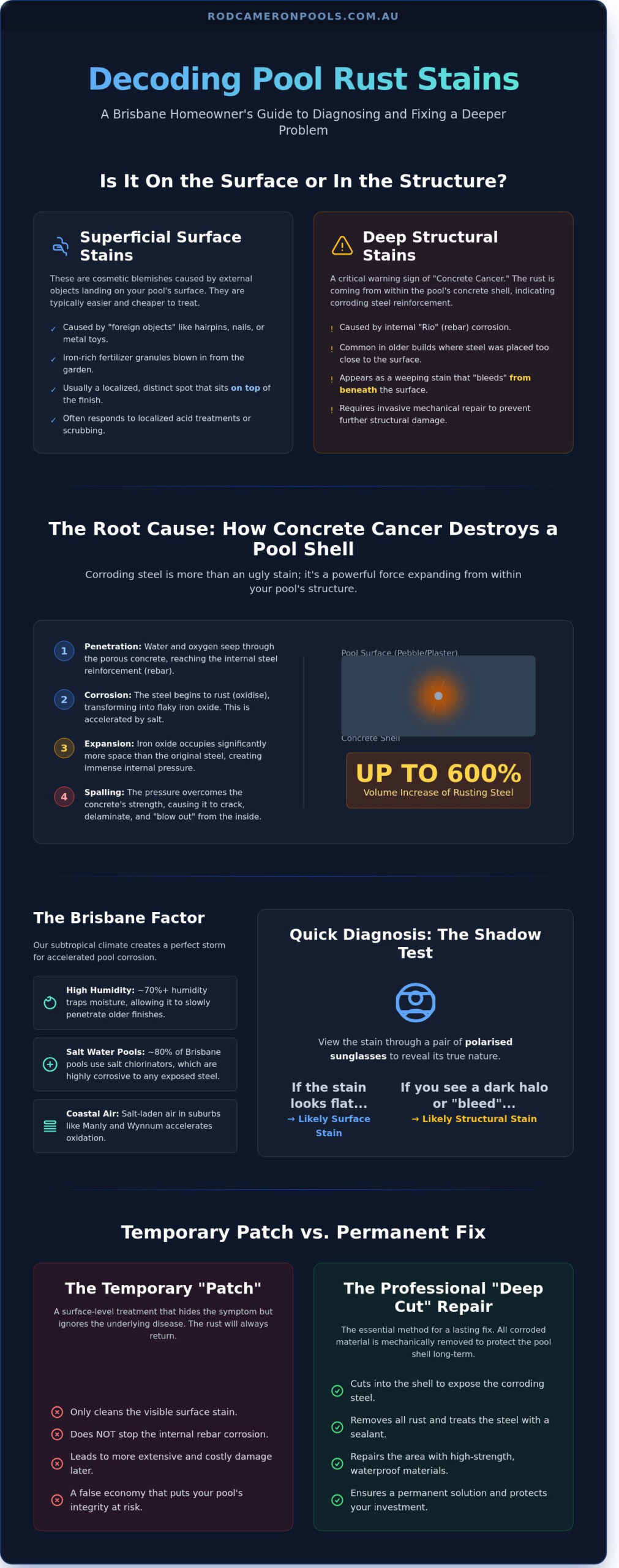
Brisbane’s subtropical climate is particularly harsh on pool finishes. With summer humidity levels frequently sitting above 70%, moisture stays trapped against the pool surrounds, slowly penetrating older, porous finishes. Many local families have transitioned to salt-water chlorinators, with roughly 80% of Brisbane pools now using this system. While salt is gentler on the skin, it’s highly corrosive to any exposed steel. Coastal suburbs like Manly, Wynnum, and Lota see higher rates of degradation due to the salt-laden sea air, which accelerates the oxidation of any metal fittings or poorly covered reinforcement bars.
Surface Stains vs. Structural Blowouts
Identifying the source is the most critical step in the repair process. Surface stains are often caused by “foreign objects” like a dropped hairpin, a stray nail from a nearby fence repair, or even iron-rich fertiliser granules blown in from the garden. These are typically easy to lift with a localized acid treatment. Internal stains, however, signify a “structural blowout.” This happens when the reinforcing steel was placed too close to the surface during the original construction. You can perform a “shadow test” by looking at the stain through a pair of polarised sunglasses; if the rust appears to have a dark halo or “bleed” coming from deep behind the pebble or plaster finish, the problem is likely internal. Learning how to fix pool rust stains brisbane professionals encounter often involves cutting into the shell to treat the source of the steel corrosion directly, ensuring a lasting and seamless repair.
- Surface Rust: Caused by external debris; usually localized and sits on top of the finish.
- Structural Rust: Caused by “Rio” bar corrosion; appears as a weeping stain from beneath the surface.
- Chemical Stains: Caused by imbalanced water or poor quality salt; often covers larger areas of the floor.
The Root Cause: Concrete Cancer and Steel Reinforcement Corrosion
Rust stains on a pool surface are rarely just a cosmetic issue. They usually signal a deeper structural problem known as concrete cancer, or spalling. This process occurs when the steel reinforcement bars within the concrete shell begin to oxidise. When steel meets water and oxygen, it undergoes a chemical transformation into iron oxide. This new substance is far more than an unsightly blemish; it is a physical force. Iron oxide occupies up to 600% of the volume of the original metal, creating immense internal pressure within the pool wall. This expansion eventually overcomes the tensile strength of the concrete, leading to cracks, pops, and flakes.
A simple surface scrub or a dose of citric acid won’t stop this internal decay. Because the reaction is happening deep inside the shell, cleaning the surface is like painting over a termite-damaged timber beam. To truly understand how to fix pool rust stains brisbane homeowners must look past the stain and address the corroding steel cage buried within. Our forty-year heritage in the industry has shown us that permanent results only come from removing the affected metal and treating the surrounding concrete to prevent future oxidation.
Why Older Concrete Pools are Vulnerable
Many quality concrete pools built in Brisbane during the construction boom of the 1970s and 1980s are now reaching a critical age. During this era, it was common for steel reinforcement to be placed with low coverage, sometimes sitting just 20mm from the surface rather than the recommended 50mm. Traditional pebblecrete and marble finishes have a reliable lifespan of about 20 to 25 years. As these finishes age, they develop microscopic cracks that allow pool water to penetrate the shell. Additionally, hydrostatic pressure from Brisbane’s heavy clay soils can push external groundwater through the concrete, attacking the steel from both sides simultaneously.
The Dangers of Neglect
Ignoring a rust spot is a risk to the structural integrity of your home. Small “weeping” cracks can lead to consistent water loss, making it impossible to maintain a proper chemical balance. This creates a cycle of waste, where expensive chlorine and pH adjusters literally leak into the ground. By 2026, the rising costs of specialised construction materials mean that delaying a repair is no longer a viable financial strategy. What starts as a minor patch job can quickly escalate into a total shell failure if the rust is allowed to travel along the reinforcement bar. Taking action now ensures your pool remains a place for design, construction, and lasting memories. The experts at Rod Cameron Pools can provide a meticulous assessment to determine if your rust spots are isolated incidents or signs of a broader structural concern.
Assessment and Diagnosis: Identifying the Right Fix
Understanding how to fix pool rust stains brisbane requires a methodical approach that looks beyond the surface. At Rod Cameron Pools, we utilize a 3-step diagnostic process developed over forty years of local experience. First, we identify if the stain is an external deposit or an internal bleed. Second, we evaluate the surrounding substrate for structural soundness. Finally, we determine the most durable remediation path to ensure the blemish doesn’t return in six months. This careful planning prevents the common mistake of applying a temporary cosmetic fix to a deep-seated structural issue.
Homeowners often choose between a chemical soak and a mechanical cut. A chemical soak uses high-concentration acids to lift surface-level metallic deposits. This works well for stains caused by dropped hairpins or garden fertilizers. However, if the rust originates from within the concrete, a mechanical cut is necessary. This involves physically removing the affected concrete and treating the underlying steel. While DIY acid washing is a popular suggestion online, it often masks the problem by bleaching the surface without addressing the oxidising metal beneath. This leads to recurring stains and eventual spalling, where the concrete actually cracks and breaks away.
Testing the Stain
You can perform a simple Vitamin C test to determine the stain’s origin. Press an ascorbic acid tablet against the spot for 30 seconds. If the stain lightens or disappears, it’s likely a surface metal deposit that can be treated chemically. If the spot remains unchanged, the rust is probably coming from the internal reinforcement. We also look for bubbling or a drummy sound when the area is tapped; this indicates the concrete has detached from the steel. For deep-end issues, we use high-definition underwater cameras to inspect the site, which avoids the need to drain the pool unnecessarily during the initial assessment.
When to Call a Professional Pool Builder
When considering how to fix pool rust stains brisbane, professional intervention is essential if the rust is leaching from the main reinforcing cage. If you notice multiple rust spots appearing simultaneously across the floor and walls, the issue is likely systemic rather than isolated. This often signals that the steel reinforcing cage was placed too close to the surface during original construction. In these cases, localized patches are merely a stop-gap. If you are planning a pool renovation Brisbane homeowners trust, it’s vital to have a master tradesman assess the base. We ensure the shell’s integrity is restored before applying new finishes, providing a seamless, stress-free transition to a beautiful and enduring backyard oasis.
How to Fix Pool Rust Stains: The Professional Multi-Stage Repair Process
Fixing a rust spot is never a simple surface job. It requires a methodical approach to ensure the structural integrity of your quality concrete pool remains intact for decades to come. Before our team begins the physical repair, we balance the water chemistry to neutral levels and protect your surrounding coping tiles with heavy-duty drop sheets. If the stain is located deep on the wall or floor, we drain the water to a level at least 300mm below the site. During this stage, securing the hydrostatic valve is a critical safety step that prevents the pool shell from lifting due to groundwater pressure.
Step-by-Step Structural Rust Repair
The “Deep Cut” method is the only way to guarantee the rust won’t return. We use a diamond-blade saw to cut a bell-shaped cavity into the concrete. This specific shape is wider at the back than it is at the surface, which creates a mechanical lock for the new patch. We cut back until we find “clean” steel, which often involves removing concrete 50mm beyond the visible corrosion. Once the “Rio” bar is exposed, we apply a zinc-rich cold galvanising primer to arrest any future oxidation. A waterproof epoxy bonding agent is then applied to ensure the new material fuses perfectly with the original shell. We pack the void with high-strength, non-shrink structural grout. This material is engineered to reach a compressive strength of 40MPa within 28 days, creating a barrier that’s denser than the original pool wall.
Finishing and Blending
Understanding how to fix pool rust stains brisbane families deal with requires more than just structural knowledge; it demands an eye for aesthetics. The “Master Match” is the most difficult part of the process. Matching a pebblecrete or marble finish that’s been exposed to Queensland sun for 15 years is a true craft. We don’t use off-the-shelf bags. Instead, we hand-mix batches of pebbles and oxides, testing them against the wet original surface to avoid the dreaded “polka-dot” effect that ruins the look of your sanctuary.
Curing times are the final hurdle in our seamless process. There’s a critical 24 to 48-hour window for the refill. If you wait too long, the new finish can shrink or lose its bond; if you’re too fast, the chemistry of the fresh water can etch the new patch. Our team manages this timeline precisely, ensuring the repair is as durable as it is beautiful. If you’ve noticed suspicious orange spots appearing on your floor or walls, it’s time to book a professional inspection to protect the longevity of your family’s investment.
Restoring Your Pool’s Integrity: Moving Beyond the Patch
When you notice multiple rust spots appearing across your pool floor, it’s often a clear signal that the internal steel reinforcement has reached its limit. Patching a single spot might offer a temporary fix, but recurring stains usually mean the protective concrete layer has become porous over the decades. This is why we often recommend a full resurface for concrete pools Brisbane homeowners want to preserve for the long term. By removing the old finish and treating the underlying steel bars, we stop oxidation at its source rather than just hiding the symptom.
Our team at Rod Cameron Pools understands that a major renovation is a significant decision. To provide complete peace of mind, we stand by our ‘Fixed-Price’ promise. If we uncover unexpected structural issues or additional rusted steel once the shell is stripped, we don’t pass those costs on to you. We’ve built our reputation on honesty since 1968, ensuring the price we quote is the price you pay for a restored, rust-free sanctuary.
The Remarbling Advantage
We prefer using smooth crushed marble for our resurfacing projects because it offers a superior balance of durability and foot comfort. Unlike rougher aggregates, a marble finish is gentle on skin and highly resistant to chemical fluctuations. It creates a dense, waterproof shield that encapsulates old repairs, preventing water from reaching the steel bars again. This process doesn’t just solve how to fix pool rust stains brisbane; it transforms a dated shell into a modern luxury feature.
- Aesthetic Brilliance: Choose from crisp whites or deep blues that make the water sparkle.
- Structural Protection: The high-density finish acts as a barrier against future corrosion.
- Lasting Comfort: No more abrasive patches or jagged edges for swimmers.
Securing Your Investment for another 40 Years
Our family has been perfecting the art of pool restoration in Brisbane for over 55 years. We’ve seen every type of soil movement and steel corrosion issue the local climate can offer. We manage the entire renovation process with a methodical, stress-free approach, taking you from the initial assessment to your first swim in a crystal-clear pool. We focus on meticulous craftsmanship so your investment remains solid for another four decades. If you’re ready to move past temporary patches and want a permanent solution for how to fix pool rust stains brisbane, contact Rod Cameron Pools for a professional rust assessment and fixed-price quote today.
Protect Your Investment with a Permanent Solution
Understanding how to fix pool rust stains brisbane homeowners encounter is the first step toward safeguarding your family’s outdoor sanctuary. These marks often signal deeper structural issues like concrete cancer, where corroding steel reinforcement expands and compromises the shell’s integrity. A professional repair doesn’t just hide the mark; it removes the source of the decay to ensure your pool remains a solid, enduring asset. Since 1968, Rod Cameron Pools has specialized in these meticulous restorations, bringing decades of local expertise to every residential and commercial project. We focus on a seamless finish, often utilizing our signature smooth crushed marble to restore the aesthetic beauty and longevity of your water.
Our family-owned team provides the clarity you need through fixed-price quotes, ensuring your renovation is stress-free and transparent. We take pride in our craftsmanship, helping you design, construct, and maintain a space where memories are made. Don’t let a small stain lead to a major structural failure when a reliable fix is within reach. Book Your Fixed-Price Rust Assessment with Rod Cameron Pools and let our master tradesmen restore the peace of mind you deserve.
Frequently Asked Questions
Is it safe to swim in a pool with rust stains?
It’s generally safe to swim in a pool with minor rust stains because they are typically a cosmetic issue or a sign of internal oxidation rather than a bacterial hazard. However, if the rust is caused by exposed steel reinforcement, the sharp edges of crumbling concrete can pose a physical risk to swimmers. Our team has seen 100% of these cases resolved through meticulous repair, ensuring your family’s safety and the pool’s enduring integrity.
Can I fix pool rust without draining the water?
You can treat surface-level rust stains without draining the water by using citric acid treatments or specialized underwater tools. If the issue is deep-seated and involves the internal steel mesh, a full repair requires draining the vessel to reach the source. Learning how to fix pool rust stains Brisbane homeowners often face involves a methodical process of identifying, treating, and sealing the affected area to protect your investment for decades.
How much does it cost to fix a structural rust spot in Brisbane?
The cost to fix a structural rust spot in Brisbane varies based on the depth of the damage and the finish of your pool. While we don’t provide fixed pricing without a physical inspection, industry data from 2024 suggests that professional concrete repairs for minor spalling often start around A$800. For more extensive heritage restorations, the price reflects the craftsmanship required to ensure a seamless and durable result that matches your existing pool interior.
Will a rust stain come back after it has been patched?
A rust stain won’t return if the underlying cause is properly addressed by removing the oxidized steel and sealing the concrete. If a repair only covers the surface without treating the internal corrosion, the stain will likely reappear within 12 to 18 months. We pride ourselves on a meticulous approach that treats the root cause, providing a solid, long-term solution that maintains the aesthetic value of your quality concrete pool.
What happens if I ignore the rust spots in my concrete pool?
Ignoring rust spots in a concrete pool leads to spalling, where the expanding rusted steel cracks the surrounding concrete and compromises the structural integrity. Over a period of 2 to 3 years, a small spot can grow into a major leak that requires a complete renovation. Addressing these signs early ensures a stress-free maintenance schedule and prevents the high costs associated with emergency structural stabilization and extensive concrete work.
Can salt-water chlorinators cause my pool to rust faster?
Salt-water chlorinators can accelerate the rusting process if your pool’s chemistry isn’t balanced or if the steel reinforcement has insufficient concrete cover. High salt levels combined with low pH create a corrosive environment that attacks metal components and internal steel. Maintaining a consistent pH level between 7.2 and 7.6 is a vital step in our design, construct, and maintain philosophy to protect your pool’s longevity and craftsmanship.
Is pool rust the same thing as ‘concrete cancer’?
Pool rust is often the first visible sign of concrete cancer, a condition where the internal steel reinforcement oxidizes and expands. This expansion exerts pressure on the concrete, leading to cracks and flakes that degrade the structure. Understanding how to fix pool rust stains Brisbane residents encounter is essential for stopping this process before it affects the entire shell, preserving the integrity and value of your family home for the long term.
How do I know if the stain is just a leaf or actual rust?
You can identify the difference between an organic stain and rust by performing a simple Vitamin C test on the affected area. If you hold a Vitamin C tablet against the spot and it disappears within 30 seconds, the stain is likely metallic rust. Organic stains from leaves or berries usually require a chlorine-based shock treatment to lift, whereas true rust needs a more technical approach to ensure the repair is permanent.