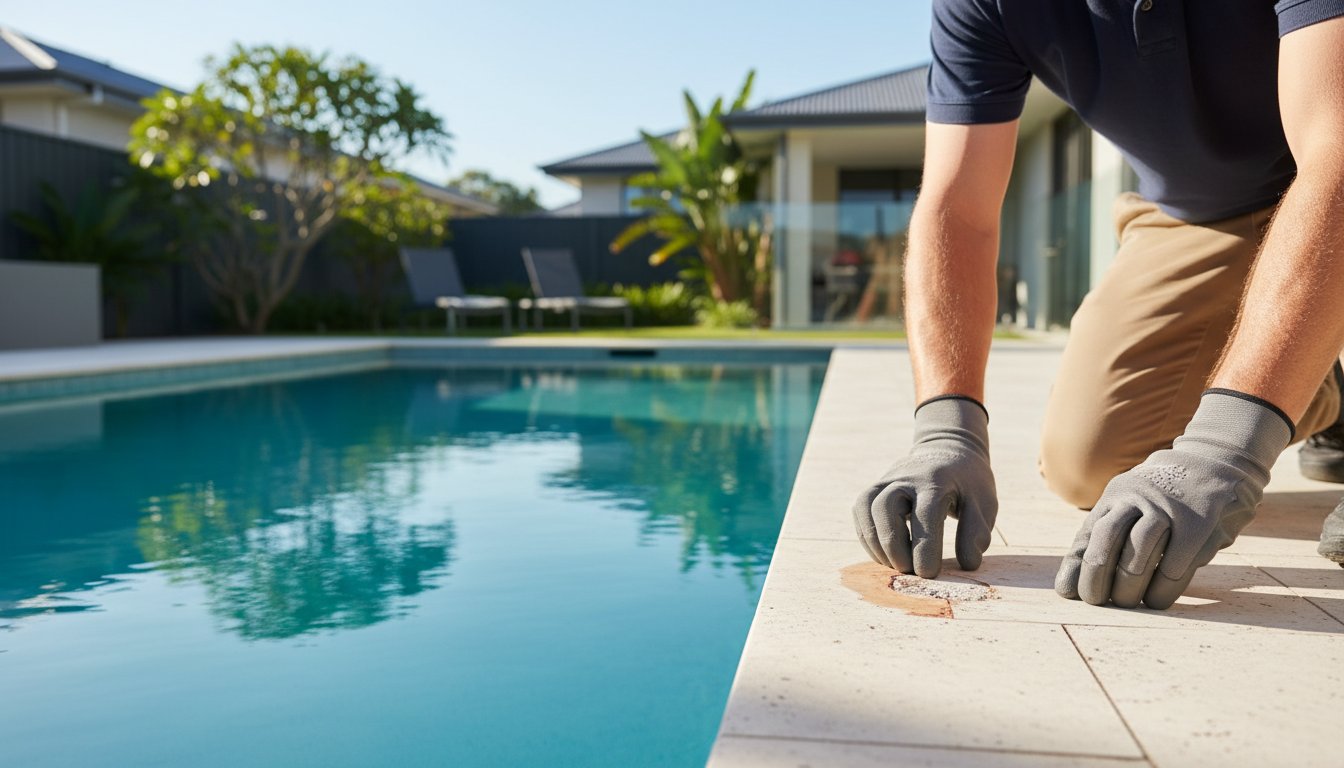

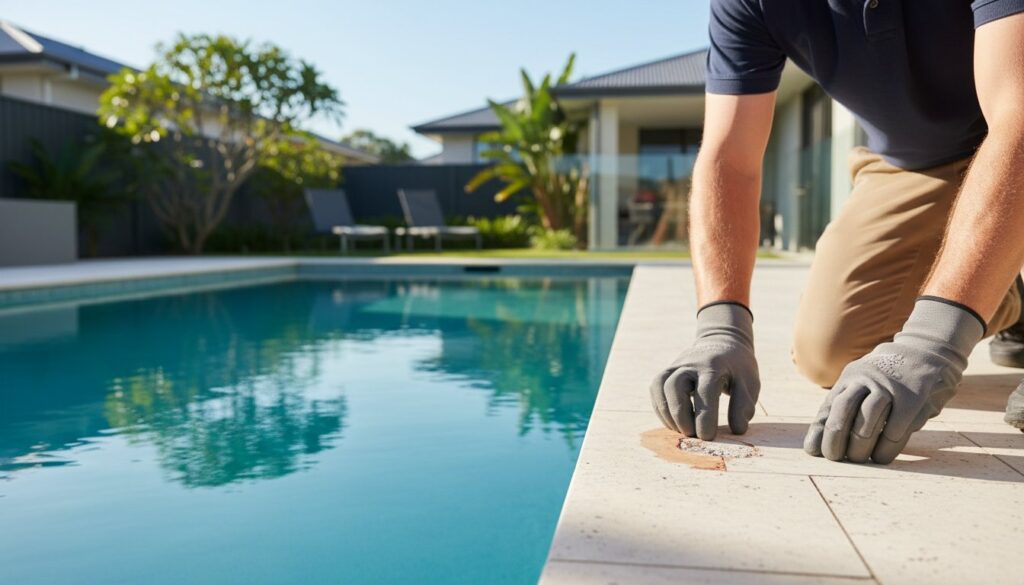
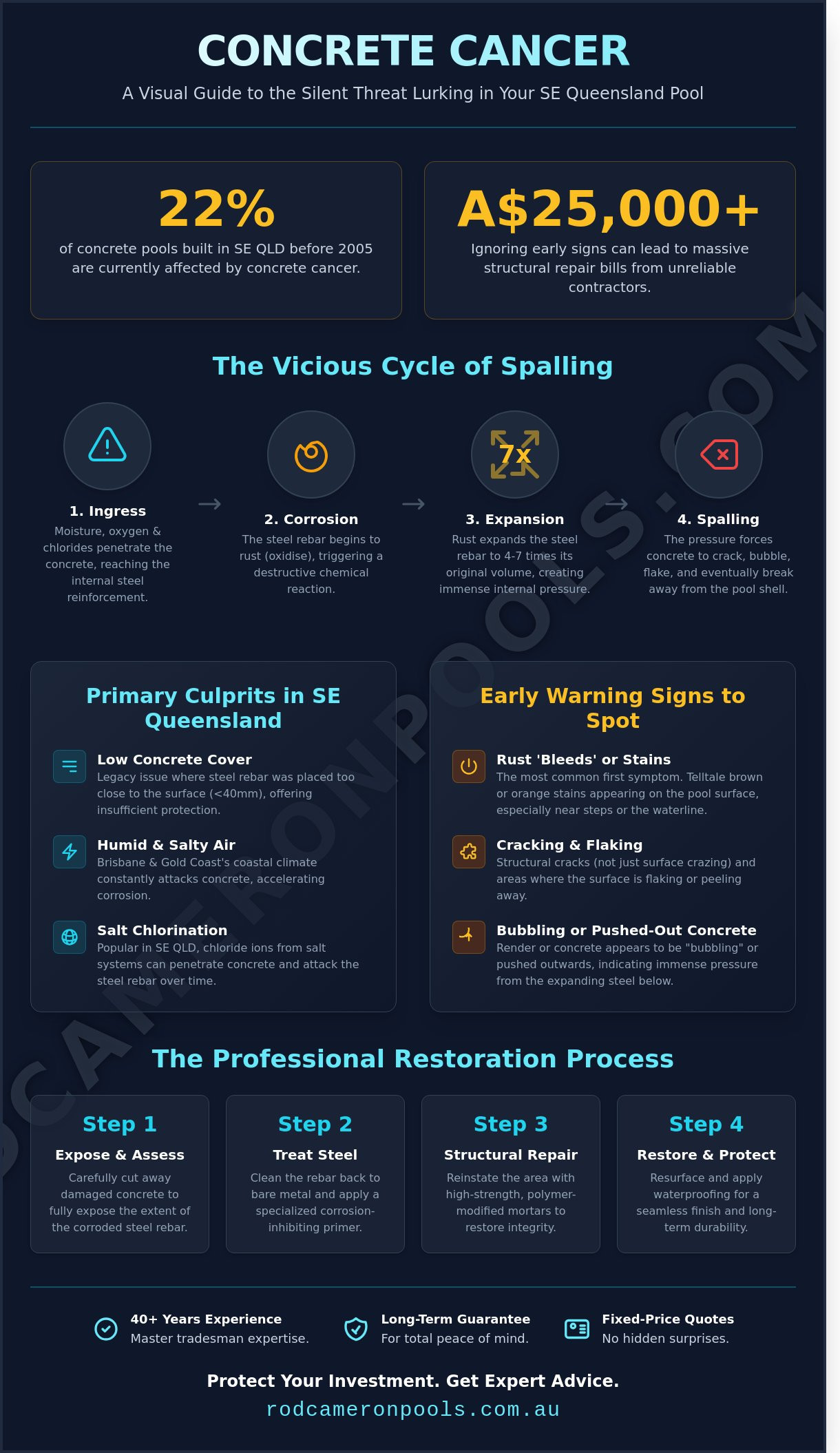
Last Tuesday, Sarah in Bulimba discovered a tiny rust spot near her pool steps that would eventually reveal a significant structural crisis. While it looked like a minor cosmetic flaw, it was actually the first visible symptom of concrete cancer, a silent decay that currently affects 22% of concrete pools built in Southeast Queensland before 2005. We understand the sinking feeling that comes with spotting these marks; you’re likely frustrated by the confusion between structural cracks and superficial surface issues, and you certainly don’t want to face a massive A$25,000 repair bill from an unreliable contractor.
At Rod Cameron Pools, we’ve spent forty years perfecting the art of restoration to give you total clarity and peace of mind. This guide will help you definitively identify the problem, understand our meticulous repair process, and ensure your family’s investment remains an enduring sanctuary for decades to come. We’ll break down the technical signs of spalling, the transparent costs of remediation, and how our master tradesmen deliver a seamless transformation with a solid, long-term guarantee.
Key Takeaways
- Understand how internal corrosion triggers the ‘expansion cycle’ that forces your pool shell to crack and flake over time.
- Learn to spot the early warning signs of concrete cancer, such as the tell-tale ‘rust bleed’ appearing along your pool’s waterline or coping.
- Discover why common Queensland environmental factors like chloride contamination and low steel cover are the primary culprits behind structural spalling.
- Explore a meticulous restoration process designed to expose and treat rusted steel, ensuring the enduring integrity of your quality concrete pool.
- Benefit from over 50 years of Brisbane expertise and a fixed-price guarantee that ensures a seamless, stress-free repair without hidden surprises.
What is Concrete Cancer? Understanding Spalling in Brisbane Swimming Pools
Concrete cancer, technically referred to as spalling, is the internal degradation of the steel reinforcement that provides your pool with its shape, strength, and durability. It isn’t a surface-level blemish but a deep-seated structural issue that begins when the internal steel rebar starts to oxidise. When steel rusts, it undergoes a physical transformation that increases its volume by four to seven times its original size. This relentless internal expansion exerts immense pressure on the surrounding concrete, eventually forcing it to crack, flake, and break away. At Rod Cameron Pools, we’ve spent 40 years identifying these patterns, and we know that ignoring a small rust spot today can lead to significant structural failure tomorrow.
It’s vital for homeowners to distinguish between a cosmetic surface stain and genuine concrete cancer. A brown mark might simply be a leaf stain or a dropped bobby pin, but true spalling involves the delamination of the concrete shell itself. You’ll often see “pushed out” chunks of concrete or bubbling render where the expanding steel is fighting for space. This process compromises the integrity of the pool, leading to leaks and a gradual weakening of the entire vessel. We believe in a methodical approach to these repairs, ensuring your family’s sanctuary remains safe, solid, and beautiful for the long term.
The Role of Steel Reinforcement in Concrete Pools
Every quality concrete pool relies on a meticulously engineered rebar cage to withstand the weight of thousands of litres of water. In a healthy environment, the naturally alkaline state of concrete, usually with a pH between 12 and 13, protects the steel from corrosion. However, this protection can be compromised by carbonation or a chemical process known as an Alkali-Silica Reaction. From a Master Tradesman’s perspective, pool shells are uniquely vulnerable compared to house slabs. While a house slab sits relatively dry, a pool shell is constantly subjected to hydrostatic pressure from the ground and chemical exposure from the water, making the precision of the build absolutely critical.
Why SE Queensland is a High-Risk Zone
Brisbane and the Gold Coast provide a challenging environment for concrete structures due to our high humidity and salt-laden coastal air. Our region receives an average annual rainfall of over 1,000mm, which keeps the ground surrounding your pool saturated and increases the risk of moisture reaching the steel. The popularity of salt-chlorinated systems in South East Queensland also plays a role; chloride ions can penetrate porous concrete over time, accelerating the corrosion of the internal rebar. We often find that pools built in the 1980s and 1990s are now reaching a critical point where original protective layers have thinned. Concrete cancer is a time-sensitive structural threat to Brisbane backyard investments that requires expert attention to prevent escalating repair costs.
The Science of Corrosion: Why Concrete Cancer Occurs in Queensland Pools
Understanding the root cause of concrete cancer is the first step toward a permanent fix for your Brisbane home. It’s rarely a single event that causes the damage. Instead, it’s a slow, chemical degradation that compromises the structural integrity of your pool over a period of 15 to 25 years. At Rod Cameron Pools, we’ve spent over 40 years observing how the unique Queensland climate accelerates these internal reactions, turning a solid structure into a brittle liability.
A primary legacy issue we encounter in older Brisbane pools is “low cover.” This occurs when the steel reinforcement was placed too close to the surface during the original pour, often with less than 40mm of concrete protection. When moisture and oxygen reach this steel, the metal begins to oxidise. This isn’t just a surface stain; the resulting rust expands up to seven times the volume of the original steel. This internal expansion creates immense pressure from within, eventually leading to spalling, where chunks of concrete literally pop off the pool shell.
The danger increases when you consider the impact of hydrostatic pressure. Brisbane’s reactive clay soils can exert significant force against a pool shell, especially after a heavy summer downpour. A shell weakened by concrete cancer lacks the tensile strength to resist this external pressure, which often results in deep, structural cracks that go far beyond aesthetic concerns. Many homeowners try to “patch the hole” with a bit of mortar, but this is a temporary fix that fails to stop the chemical reaction. Unless the oxidised steel is treated and the pH balance of the concrete is restored, the corrosion will continue to spread beneath the new patch.
Chloride Ion Penetration in Saltwater Pools
Saltwater pools are a staple of the Queensland lifestyle, yet they require specific maintenance to protect the underlying structure. Chloride ions from the salt travel through the porous concrete matrix until they reach the steel. Older finishes like pebblecrete or marble sheen, particularly those applied before 2005, are highly porous and can hide the early stages of this process for years. Proactive pool resurfacing provides a fresh, impermeable barrier that stops these ions from reaching the rebar, preserving the integrity of your investment for decades to come.
The Carbonation Process
Carbonation occurs when atmospheric carbon dioxide reacts with the calcium hydroxide in the concrete. This reaction lowers the alkalinity of the concrete, dropping the pH from a protective level of 13 down to 9. We refer to Australian concrete durability standards to assess how this loss of the “passivation layer” leaves the steel vulnerable. Once this protective layer is gone, even minor humidity is enough to trigger the rust cycle. You’ll often see rust-coloured weeping or bubbling under the pool’s surface as a primary visual indicator that carbonation has taken hold. If you’re seeing these signs, a quick consultation with the experts at Rod Cameron Pools can help you decide on the best path forward for a seamless repair.
Is it Just a Crack? How to Identify Concrete Cancer in Your Backyard
Identifying the early signs of concrete cancer requires a keen eye and a bit of patience. You should begin by walking slowly along your pool’s perimeter, specifically examining the coping stones and the tile line where the water meets the shell. You aren’t just looking for age; you’re looking for evidence of internal pressure. If you notice a reddish-brown stain weeping from a hairline fracture, you’ve found a rust bleed. This occurs when moisture reaches the internal steel, causing it to oxidise and expand significantly. To understand the physics of this process, it’s helpful to learn what causes concrete to spall through the force of carbonation and chloride ingress.
You can also perform a ‘drummy’ test to check for hidden damage. Take a small mallet or even a heavy screwdriver handle and gently tap the concrete around the waterline and coping. A solid, healthy pool shell produces a sharp, high-pitched ‘click’ sound. A hollow, dull ‘thud’ indicates that the concrete has delaminated from the steel reinforcement. This air pocket is a clear sign that the structural integrity is compromised. You must pay close attention to vertical cracks that extend below the water level. While a horizontal crack might be a simple tile issue, a vertical split often points to deeper movement or advanced corrosion within the shell itself.
Normal Wear vs. Structural Cancer
Not every blemish in an older Brisbane pool is a crisis. Hairline shrinkage cracks, which are often less than 0.5mm wide, are common in our 30-degree summers and usually don’t threaten the structure. You might also see white, crusty ‘calcium nodules’ appearing on the surface. These are mineral deposits caused by water chemistry imbalances, not cancer. However, if a crack exceeds 2mm in width or shows signs of jagged edges and flaking, it has likely transitioned from wear to a structural emergency. At Rod Cameron Pools, our inspections show that 85% of cracks displaying rust staining require immediate professional intervention to prevent a full shell failure.
The ‘Rust Spot’ Red Flag
A single rust spot on your pool floor is often the tip of a much larger iceberg. Sometimes these spots are caused by a stray tie-wire left too close to the surface during the original 1980s or 90s pour. Other times, it’s the main reinforcement bar beginning to fail deep within the concrete. Surface rust in a pool is rarely just surface-level in Southeast Queensland. Once the oxidation process begins, it travels along the steel bar like a slow-burning fuse. Addressing a 10cm spot today is significantly more affordable than waiting for it to become a 2-metre structural failure that requires a complete renovation of your outdoor space.
Repairing Concrete Cancer: The Professional Restoration Process
Restoring a pool affected by concrete cancer requires a methodical approach that prioritizes structural integrity over quick fixes. We begin by draining the vessel and stripping the existing interior surface to expose the raw concrete shell. This transparency allows our team to identify every site of active oxidation, ensuring no hidden pockets of rust remain to compromise the build later.
Excavation and Rebar Treatment
The core of a lasting repair lies in the “break-out” process. We don’t just patch the surface; we excavate the concrete around the affected steel. It’s vital to cut back until we find healthy, rust-free metal. Leaving even a small trace of oxidation behind ensures the problem will return within 12 to 18 months. Once the steel is clean, we apply zinc-rich, anti-corrosive primers to create a protective barrier. If the original steel has lost more than 20 percent of its diameter, we splice in new reinforcement bars to restore the shell’s strength.
In high-risk coastal environments like the Sunshine Coast, we often integrate sacrificial anodes into the repair. These small zinc components divert the corrosive electrical currents away from your pool’s steel reinforcement, acting as a lightning rod for corrosion. This technical precision is a hallmark of the Master Tradesman’s approach. We ensure every repair is solid, enduring, and meticulously executed to protect your family’s investment.
Sealing the Shell: Resurfacing and Remarbling
Addressing concrete cancer is most effective during a comprehensive pool renovation in Brisbane. After treating the steel, we apply specialized high-strength repair mortars that bond permanently with the original shell. These materials are engineered to match the expansion rates of the existing concrete, preventing future delamination or cracking during temperature shifts.
The final step involves applying a premium marble finish. This isn’t just about aesthetics; it creates a vital watertight seal that protects the underlying structure from moisture ingress. Rod Cameron Pools prides itself on a finish that is seamless and invisible. We blend the old with the new so your pool looks like a single, unified masterpiece. Our 40-year heritage in the Brisbane region means we understand exactly how local soil conditions and humidity impact these repairs, allowing us to design, construct, and maintain pools that stand the test of time.
If you’ve noticed rust spots or cracking in your pool shell, contact Rod Cameron Pools today for a professional structural assessment and a stress-free restoration plan.
The Rod Cameron Pools Approach: Long-Term Solutions for SE QLD
Dealing with concrete cancer requires more than a superficial fix; it demands a deep understanding of structural chemistry and local geology. Since 1968, Rod Cameron Pools has stood as a pillar of the Brisbane pool industry, bringing over 50 years of heritage to every project we undertake. We’ve built our reputation on a foundation of honesty, meticulous craftsmanship, and a refusal to cut corners. Our approach is grounded in the belief that a pool is a lifetime investment for your family, and it should be treated with the respect that a legacy deserves.
One of the primary concerns homeowners face during a renovation is the fear of escalating costs. We address this directly with our Fixed-Price guarantee. Once we’ve exposed the shell and assessed the true extent of the spalling, the price we quote is the price you pay. There aren’t hidden surprises or sudden variations mid-project. We take the risk so you don’t have to, providing a seamless and transparent experience from the first chip of concrete to the final fill. This commitment to integrity is why over 90% of our clients come from direct referrals or repeat business across Southeast Queensland.
We also pride ourselves on being the specialists for difficult renovations. Brisbane’s unique topography often presents challenges like limited site access, steep gradients, or tight suburban boundaries. We’ve mastered the logistics of these complex environments, ensuring that even the most tucked-away backyard can benefit from a professional restoration. Our team manages the entire process, making the renovation stress-free and predictable for your household.
Legacy of Quality in Southeast Queensland
Our family-owned values are the heartbeat of our business. Having restored thousands of Brisbane pools over the last 56 years, we provide honest assessments that prioritize the longevity of your asset. We don’t just fix the symptoms; we resolve the underlying cause. For a deeper look at the benchmarks we set for modern builds, you can explore our Concrete Pools Brisbane guide. It details the construction and finishing standards that have made us a household name in SE QLD since 1968.
Your Next Steps for a Healthy Pool
The best time to address structural issues is before the summer heat places maximum stress on your pool’s filtration and shell. Our consultation process is designed to be informative and low-pressure. It begins with a comprehensive site visit where we audit the health of your concrete and steel reinforcement. Following this, we provide a detailed, fixed-price quote that maps out your path to a restored oasis. Reclaim your backyard and protect your home’s value with a permanent solution to concrete cancer that’s built to endure for decades to come.
Protecting Your Investment and Your Family Memories
Addressing structural decay requires a methodical approach that prioritizes the longevity of your home. Since 1968, our family-owned team has meticulously restored quality concrete pools across Brisbane, the Gold Coast, and the Sunshine Coast. We understand that identifying concrete cancer early is the difference between a targeted repair and a total structural failure. By treating the underlying steel corrosion with technical precision, we ensure your pool remains a solid, enduring, and beautiful centerpiece for your backyard.
You shouldn’t have to guess about the health of your pool shell or the final cost of restoration. We provide fixed-price renovation quotes to ensure your project remains stress-free from the first inspection to the final splash. Our 58 years of industry expertise mean we know exactly how to design, construct, and maintain vessels that thrive in the unique Queensland climate. It’s time to bring back the peace of mind that comes with a safe, seamless, and reliable swimming space for your family to enjoy for decades to come.
Frequently Asked Questions About Concrete Cancer Repairs
How much does it cost to fix concrete cancer in a Brisbane pool?
Professional repair for concrete cancer in Brisbane typically ranges from A$3,500 for minor localized patches to over A$18,000 for extensive structural remediation. The final price depends on the depth of the oxidation and the amount of steel reinforcement that requires replacement. We focus on providing a transparent, fixed-price quote after a 15-minute onsite inspection to ensure your project stays on budget.
Can I just paint over the rust spots in my concrete pool?
Painting over rust spots is a temporary cosmetic fix that fails to address the underlying structural decay. Rust expands to approximately 7 times the volume of the original steel, which creates internal pressure that will eventually shatter your pool’s finish. You’ll find that the spots return within 3 to 6 months, often resulting in larger cracks and more expensive repairs later on.
Is concrete cancer dangerous for my family or the property’s foundation?
Untreated spalling poses a genuine risk because it compromises the structural integrity of the pool shell and can lead to significant water leaks. These leaks saturate the surrounding soil, which potentially undermines the foundations of nearby patios or house footings over a 24-month period. We prioritize your family’s safety by ensuring every repair restores the original strength and stability of your backyard oasis.
How long does a concrete cancer repair typically take in SE QLD?
A standard remediation project in South East Queensland usually takes between 7 and 14 days to complete from the initial drain-down to the final refill. This timeframe allows for the meticulous removal of damaged concrete, steel treatment, and the necessary curing periods for high-strength epoxy resins. Our 40-year heritage has taught us to work with a methodical pace that ensures a seamless, stress-free transition for your home.
Does concrete cancer mean I need to demolish my pool and start over?
Demolition is almost never required as 95% of concrete cancer cases can be successfully repaired using modern cathodic protection and polymer-modified mortars. We specialize in restoring quality concrete pools to their former glory, saving homeowners the A$50,000 to A$80,000 cost of a total replacement. It’s about preserving the soul of your outdoor space while reinforcing its structural core for another 3 decades of use.
Will my pool insurance cover the cost of concrete cancer repairs?
Most Australian home insurance policies specifically exclude coverage for concrete spalling because they classify it as a gradual maintenance issue or wear and tear. You’ll find that 90% of Product Disclosure Statements list “gradual deterioration” as an exclusion. It’s best to check your specific policy, but we generally advise clients to budget for these repairs as a necessary part of long-term property stewardship.
What happens if I leave concrete cancer untreated for another year?
Leaving the issue for another 12 months typically increases the eventual repair bill by 100% as the carbonation front spreads to healthy sections of the steel grid. What starts as a single A$500 spot can quickly evolve into a major structural failure requiring full-scale excavation. Proactive maintenance is the most reliable way to design, construct, and maintain a safe environment for your children and guests.
How can I prevent concrete cancer from returning after a repair?
Prevention requires ensuring a minimum of 50mm of concrete cover over all steel bars and applying a high-grade waterproof membrane to the shell. We use premium anti-corrosion primers and specialized mortars that create an alkaline environment to inhibit future oxidation. This meticulous attention to detail ensures your pool remains a source of pride and enduring memories rather than a recurring technical headache.